Bali Yacht Charter Costs Decoded: The Revenue Side of Owning a Charter Boat
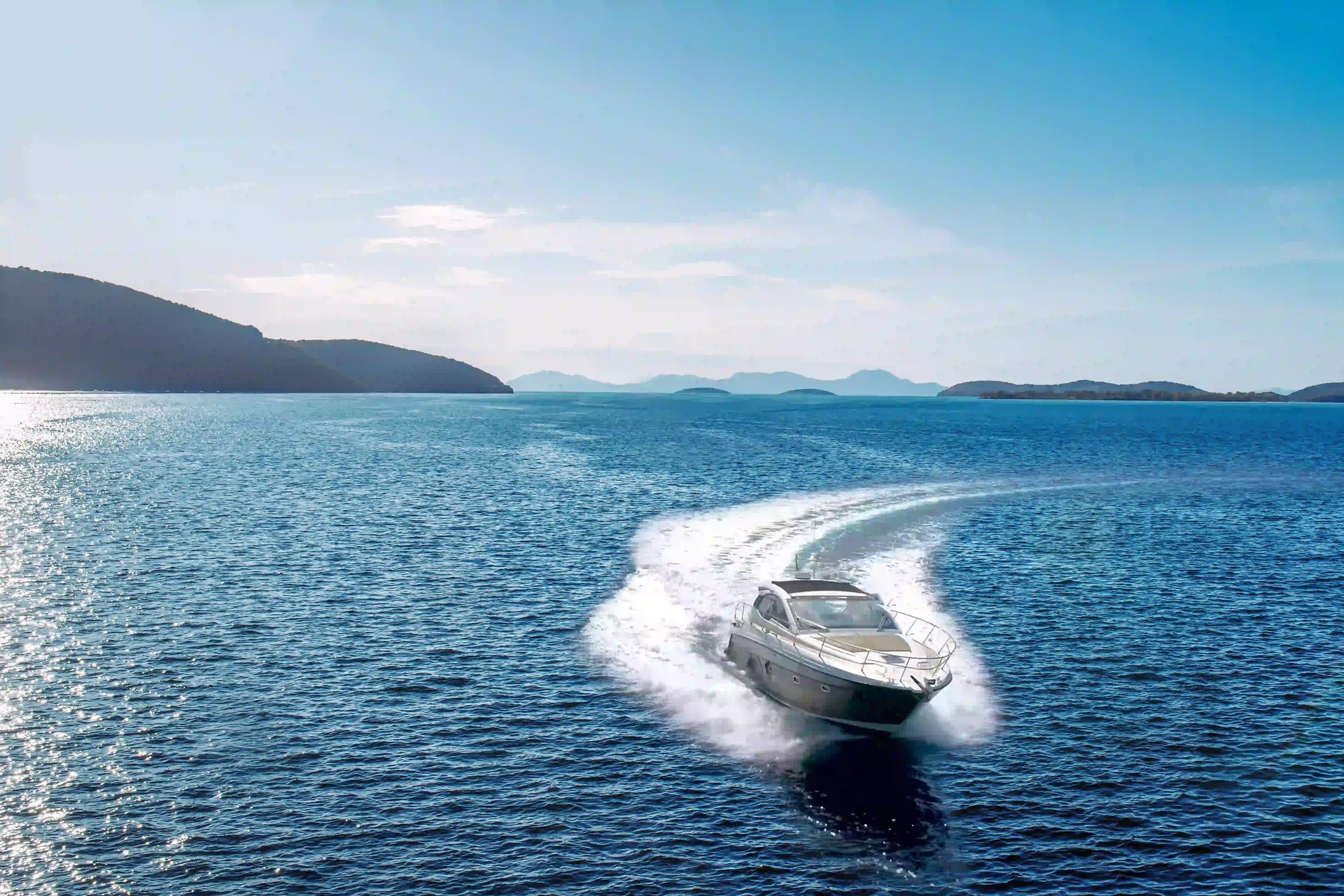
A private Bali yacht charter costs between USD 2,500 and 6,000 for a premium day trip, and multi-day Komodo itineraries clear USD 20,000 — figures that matter to owners as much as guests, because they define what a well-run charter boat can gross per booking. This breakdown doubles as a buyer’s income reference.
- Day Charters: Expect to pay between $2,000 and $7,000 for a standard 8-hour excursion.
- Liveaboard Charters: Weekly rates for multi-day voyages typically start around $15,000 and can easily exceed $150,000 for larger, more opulent vessels.
- Key Factors: The yacht’s class, guest capacity, fuel consumption, and crew gratuity (customarily 10-20% of the base fee) are the primary variables that influence the total cost.
The air is thick with the scent of frangipani and salt. The turquoise water of the Lombok Strait laps gently against the hull as you gaze from the teak deck, a freshly prepared dragon fruit smoothie in hand. You are anchored off the coast of Nusa Penida, where giant manta rays glide like shadows in the depths below. The only pressing decision on today’s agenda is whether the chef should prepare the freshly caught mahi-mahi grilled or as a delicate sashimi. This level of curated freedom is the essence of a private charter, and while it comes with a commensurate price tag, understanding the real Bali yacht charter cost is the first, crucial step toward unlocking an unparalleled experience in the Indonesian archipelago. It is less a simple transaction and more the beginning of a private odyssey.
Deconstructing the Day Charter: What Your Dollars Really Buy
For many visitors to the Island of the Gods, the day charter is the perfect portal into the world of private yachting. It’s a concentrated dose of maritime freedom, an 8-hour escape from the mainland buzz. But what exactly are you paying for? The sticker price, which can range from $2,500 for a 45-foot catamaran to $7,000 for a sleek 60-foot motor yacht, is a package deal. This base cost almost universally covers the exclusive use of the vessel, the salary for a professional captain and at least two crew members, and fuel for a standard itinerary—typically a run from Serangan Harbour to the popular bays of Nusa Lembongan or Nusa Penida, a distance of about 20 nautical miles. Also included are basic amenities: snorkeling gear for a dozen guests, stand-up paddleboards, and light refreshments like a tropical fruit platter, soft drinks, and bottled water. Where the costs begin to diverge is in the details. A more premium package, often associated with the higher-priced motor yachts, will include a private chef who prepares a multi-course lunch onboard, a selection of local beers and imported wines, and perhaps a high-speed tender for wakeboarding. My colleague, Captain Iwan, who has helmed vessels in these waters for over 15 years, always reminds clients that speed is a significant cost driver. “A powerful motor yacht can get you to the Gili Islands in under two hours,” he explains, “but that vessel might burn 200 liters of fuel per hour at cruising speed. A sailing catamaran takes five hours but might use only 30 liters per hour.” That’s a fuel cost difference of nearly $250 every hour. For a more granular look at these variables, our comprehensive pricing and cost guide offers a more detailed breakdown for prospective charter clients.
The Liveaboard Investment: Beyond a Single Day’s Horizon
When the ambition extends beyond a day’s sail, the financial structure of a yacht charter shifts dramatically. Welcome to the world of the liveaboard, where the vessel becomes your floating villa for a week or more, granting access to some of the planet’s most remote marine wonderlands. Here, pricing is typically quoted as a weekly rate, and it’s critical to understand the terms. Most charters in Indonesia operate on an “all-inclusive” basis, especially the traditional Phinisi schooners. This means the weekly rate—say, $45,000 for a 100-foot Phinisi that sleeps 10 guests—covers the yacht, crew, all meals, standard non-alcoholic and alcoholic beverages, and use of all onboard water toys. It also includes fuel for a pre-planned itinerary, for example, a 7-day, 6-night expedition through Komodo National Park. This park, a UNESCO World Heritage site, is not just home to the famed dragons but also to some of the most biodiverse waters on Earth. For larger, more sophisticated superyachts, you will more likely encounter “plus expenses” terms. This involves an APA, or Advance Provisioning Allowance. The APA is a deposit, typically 30-40% of the base charter fee, paid upfront. From this fund, the crew pays for all variable expenses based on your consumption: fuel, premium food and alcohol requests, port fees, national park entries, and any special arrangements. For a yacht with a $100,000 weekly base fee, this would mean an APA of $30,000-$40,000. At the end of the charter, you receive a complete accounting, and any unspent funds are returned to you. This model offers maximum transparency and customization for discerning clients.
The Vessel Itself: A Spectrum of Style and Spend
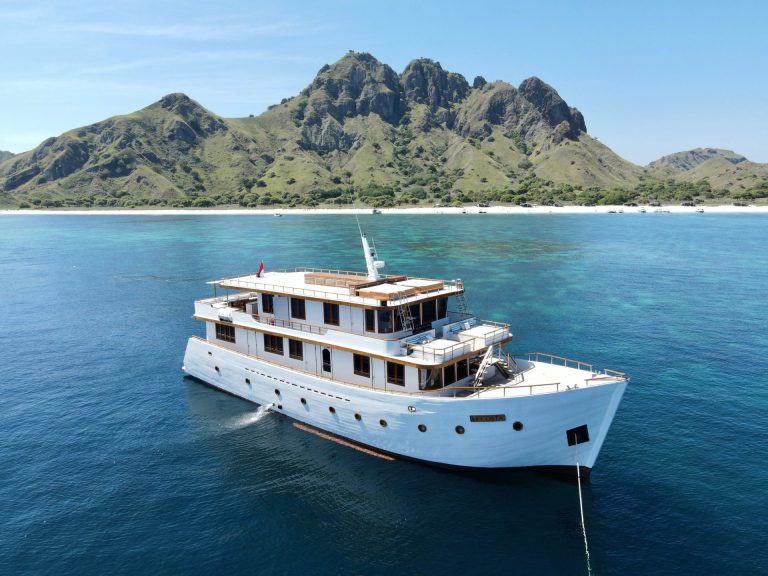
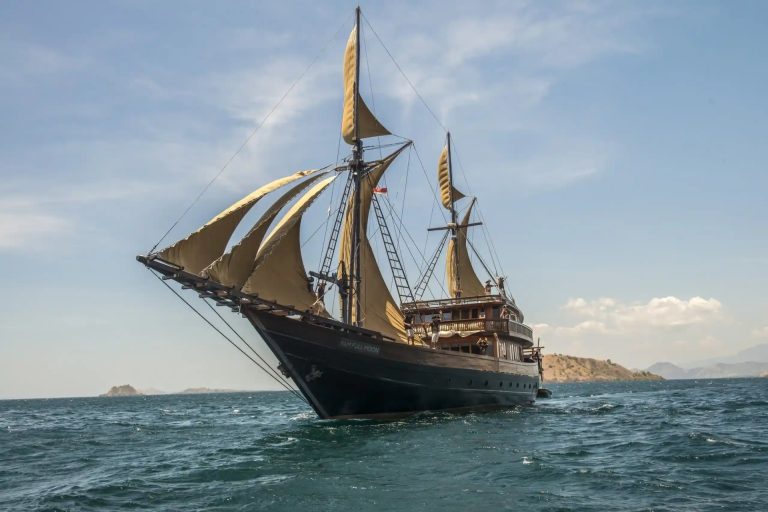
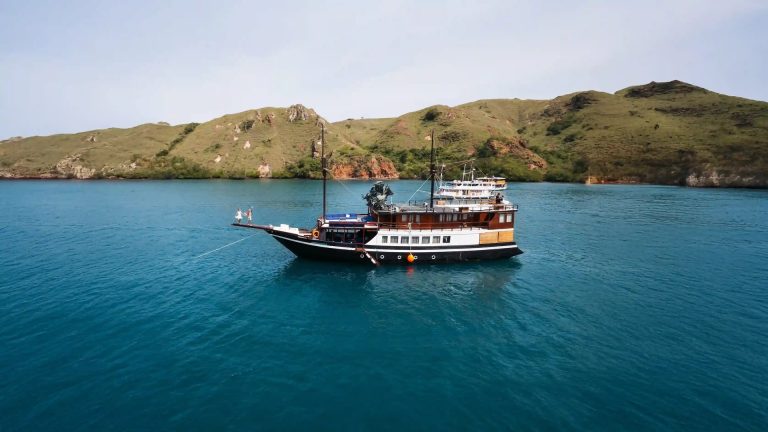
The single largest factor determining the Bali yacht charter cost is, unsurprisingly, the yacht itself. The fleet available in Indonesia is diverse, offering a vessel for nearly every taste and budget. At the more accessible end are the sailing catamarans, from brands like Lagoon and Fountaine Pajot. These are celebrated for their stability, expansive deck space, and fuel efficiency, making them ideal for relaxed, wind-powered island hopping. A 50-foot model might cost $3,500 for a day or $25,000 for a week. Next are the motor yachts, the choice for those who value speed, air-conditioned comfort, and refined interiors. Vessels from Sunseeker, Princess, and Azimut offer performance and luxury, allowing you to cover more ground, but their powerful engines come with higher fuel costs. Expect day rates to start around $5,000 and weekly rates to climb from $30,000 to over $100,000. Perhaps most iconic to these waters are the Phinisi schooners. These magnificent two-masted wooden ships are handcrafted by the Konjo boat builders of South Sulawesi, a tradition of naval architecture that is centuries old. They offer an authentic Indonesian sailing experience combined with modern luxury, and their spaciousness makes them perfect for liveaboard diving trips to Raja Ampat or Komodo. A high-end Phinisi charter for 12 guests can range from $40,000 to $90,000 per week. At the apex are the superyachts—vessels over 100 feet in length that represent the pinnacle of service and amenities, often with a 1:1 crew-to-guest ratio. Their weekly charter fees begin around $80,000 and can soar past a quarter of a million dollars. You can explore the different types of vessels available in the brokerage process page to better understand which style suits your group.
Hidden Costs and The Gratuity Question
A seasoned charterer knows that the quoted base price is just the beginning of the conversation. To budget accurately, one must account for the ancillary costs that are not always advertised in bold print. As mentioned, for “plus expenses” charters, the APA is the most significant additional sum, covering everything from the specific brand of champagne you prefer to the fuel burned while towing water-skiers for three hours. Beyond the APA, another potential cost is VAT or local taxes. Indonesia’s Value Added Tax, which stands at 11% as of 2022, may be applicable to the charter fee depending on the yacht’s registration and operational structure. Repositioning fees are another consideration. If you wish to begin your charter in Labuan Bajo for a Komodo trip, but the yacht’s home port is Bali (a 250-nautical-mile journey), you will be charged a fee to cover the fuel and crew time for that delivery trip. This can easily add several thousand dollars to the final bill. Finally, and most importantly, is the matter of crew gratuity. This is a vital, and often misunderstood, component of the total Bali yacht charter cost. The crew works tirelessly—often 16-hour days—to deliver a flawless experience. Their gratuity is a significant portion of their compensation. The globally recognized industry standard is 10% to 20% of the base charter fee, given to the captain at the conclusion of the trip for fair distribution. On a $50,000 weekly charter, this amounts to a $5,000 to $10,000 tip. I always advise clients to discuss gratuity expectations with their broker beforehand. A good broker, like the team at the brokerage landing page, provides clear, culturally sensitive guidance so there are no awkward moments at the end of a perfect holiday.
Seasonality and Itinerary: How Time and Place Impact Price
The rhythm of the seasons and the ambition of your itinerary exert a powerful influence on the final charter cost. Like any premium travel destination, Bali’s yachting industry operates on a high, shoulder, and low season model. The high season, which includes July and August and the festive period from mid-December to early January, sees the highest demand. During these peak times, expect to pay a premium of 15% to 20% on the base charter fee, and booking well in advance—at least six months out—is essential. This period corresponds with the dry season in the Bali and Komodo regions, offering the most reliable weather. The shoulder seasons, from April to June and September to October, are what I consider the sweet spot. The weather is typically magnificent, the crowds have thinned, and yacht owners are more amenable to negotiation, offering the best overall value. The low season, from November through March, is the monsoon season in Bali. While charters are certainly still available and at their lowest prices, you must be prepared for tropical downpours and potentially less predictable sea conditions. Your itinerary’s complexity is also a major cost factor. A simple day charter to Nusa Lembongan involves a predictable fuel burn. In contrast, a one-week, one-way charter from Bali to Komodo National Park is a far more complex logistical undertaking, involving higher fuel consumption, extensive provisioning, and mandatory national park fees, which can exceed $100 per person per day. For the most current information on regional regulations, the Indonesian Ministry of Tourism’s official site, indonesia.travel, is an invaluable resource for planning.
Quick FAQ on Bali Yacht Charter Costs
Is food and drink included in the charter price?
For most day charters, a basic package of light snacks, fruit, and non-alcoholic beverages is included, with lunch and alcohol available as paid add-ons. For multi-day charters, it varies. “All-inclusive” agreements, common on Phinisis, cover all standard food and beverages. “Plus expenses” charters, typical for motor yachts, use the Advance Provisioning Allowance (APA) to stock the yacht with your exact preferences, from local Bintang beer to vintage French champagne, all at cost.
What’s a better value: a catamaran or a motor yacht?
“Value” is entirely subjective and depends on your priorities. A catamaran offers significantly more deck space per foot and is far more fuel-efficient, making it a better value for those prioritizing relaxed sailing and lower operational costs. A motor yacht provides speed, climate-controlled luxury, and the ability to cover vast distances quickly, representing a better value for guests who want to see more in less time and in ultimate comfort. A 50-foot catamaran can often have the same amount of outdoor social space as a 65-foot motor yacht.
Do I need to pay for the crew separately?
No, the crew’s salaries are always included in the base charter fee. However, the crew gratuity is a separate and additional cost that is paid by the charterer at the end of the trip. It is a crucial part of the crew’s income and reflects your appreciation for their hard work. The industry standard is 10-20% of the base charter fee.
Can I negotiate the price of a yacht charter?
While there can be some flexibility, particularly for long-duration charters (two weeks or more) or during the shoulder seasons, listed prices are generally firm. Reputable brokers, such as the booking team at Bali Yacht Broker, have established relationships and rates with yacht owners. A more effective approach is to be transparent about your budget with your broker. This allows them to present you with the best possible vessels and itineraries that fall within your desired price range, rather than negotiating a small price reduction on a yacht that may be out of reach.
Ultimately, the cost of a private Bali yacht charter is a direct reflection of the experience you wish to create. It is an investment in unparalleled access, absolute privacy, and memories forged on the azure waters of the Indonesian archipelago. From a sun-drenched day trip to the Nusas to a grand expedition through the land of dragons, the perfect vessel awaits. The key is expert guidance to navigate the myriad options of yachts, itineraries, and pricing structures. Connect with a specialist at open the main page to craft a bespoke journey that aligns perfectly with your vision and budget. Your private odyssey starts with a single conversation.
What This Means for Buyers & Owners
Every cost line a guest pays is a line of gross revenue for the owner. Compare these charter economics against charter boats currently for sale in Bali, and see how professional yacht management in Bali converts headline rates into net owner income.
Related reading
Related from the journal: rental price benchmarks by boat class.
Keep reading
Ownership & Investment
Luxury Boat Investment in Bali: How Yachts Compare as an Asset Class
As an asset class, a luxury boat in Bali behaves like a depreciating operating business, not a store of value:…
Ownership & Investment
The Yacht Investor’s Asset Mix: Balancing Marine Cashflow with Onshore Bali Holdings
A balanced Indonesia position pairs two asset classes that behave in opposite ways. Yachts and phinisi generate charter cashflow from…
Ownership & Investment
Yacht Refit Costs in Indonesia: Budgets That Protect Resale Value
Plan a yacht refit in Indonesia around three tiers. A cosmetic refresh of a fibreglass yacht runs US$15,000 to US$40,000…