Charter Fleet Investment — Komodo & Labuan Bajo Yacht Income Programs

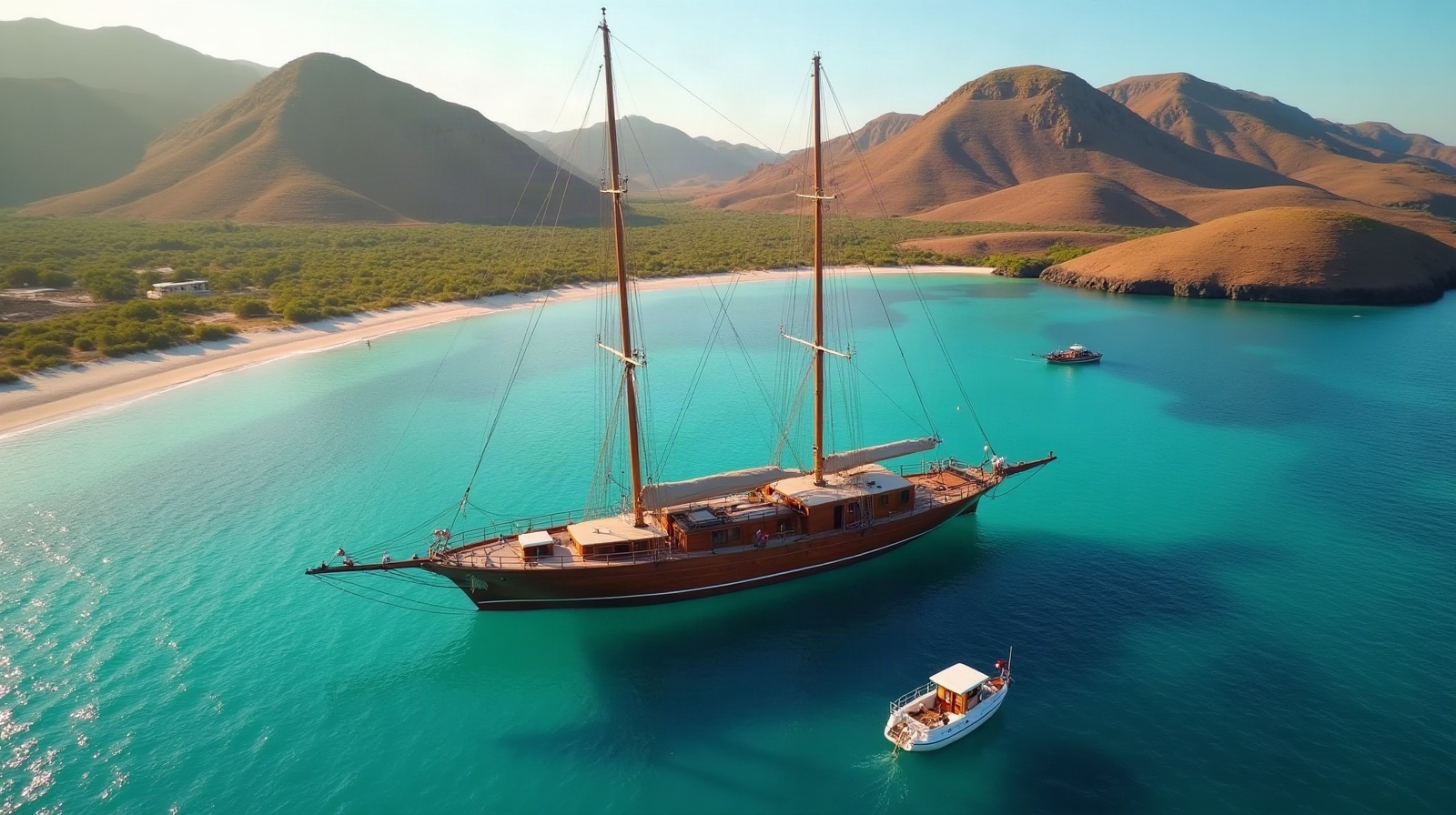
Yacht charter investment in Indonesia means placing capital into a vessel, or a share of one, that earns income inside an operating charter fleet instead of sitting idle as a private asset. The most active market for this model today is the Komodo National Park corridor out of Labuan Bajo, where licensed phinisi and motor yachts run near year-round itineraries for an international clientele willing to pay premium day and overnight rates. Bali Yacht Broker is an independent Bali-based brokerage and marine investment desk. We do not own charter fleets ourselves; our role is to structure your entry, vet the operator, and keep the numbers honest, arranging placements through Juara Holding Group’s Komodo and Labuan Bajo investment program and its operating charter partners.

The headline economics are straightforward to state and easy to overstate, so we will do both parts properly. Based on current market research across the Komodo fleet, a well-run mid-range charter catamaran models around USD 180,000 per year in gross charter income, while a large luxury phinisi in steady rotation can model up to roughly USD 600,000 per year gross. Those are modeled gross figures, not promises, and the single most important discipline in this asset class is remembering that operating costs typically absorb 35 to 60 percent of gross before anything reaches the owner.

This page explains what a charter fleet investment program includes, how our desk arranges it with the Juara Holding Group ecosystem, what realistic income and cost figures look like, and how to open a conversation. If you are comparing this against buying a yacht outright for private use, read this first; the operating logic is different.

What Is Included in a Charter Fleet Investment Program

A properly structured program bundles the vessel with everything required to make it earn. When we arrange a placement, the scope your capital enters typically covers the following.

The vessel and its commercial standing

Either a newbuild phinisi commissioned for charter, an existing vessel acquired into the fleet, or a fractional share in a vessel already operating. In every case the vessel must hold, or be on a clear path to, the licensing and flag arrangements required to charter commercially in Indonesian waters. We treat paperwork as part of the asset: a beautiful boat that cannot legally charter is a liability with teak decking.

Fleet management and crew

Captain and crew employment, provisioning, scheduled maintenance, dry-docking cycles, insurance, mooring, and compliance are handled by the operating partner, not by you. This is the core reason to invest through a fleet rather than run a single boat privately: the operator spreads shore teams, spare parts, and engineering knowledge across many hulls.

Marketing, bookings, and revenue administration

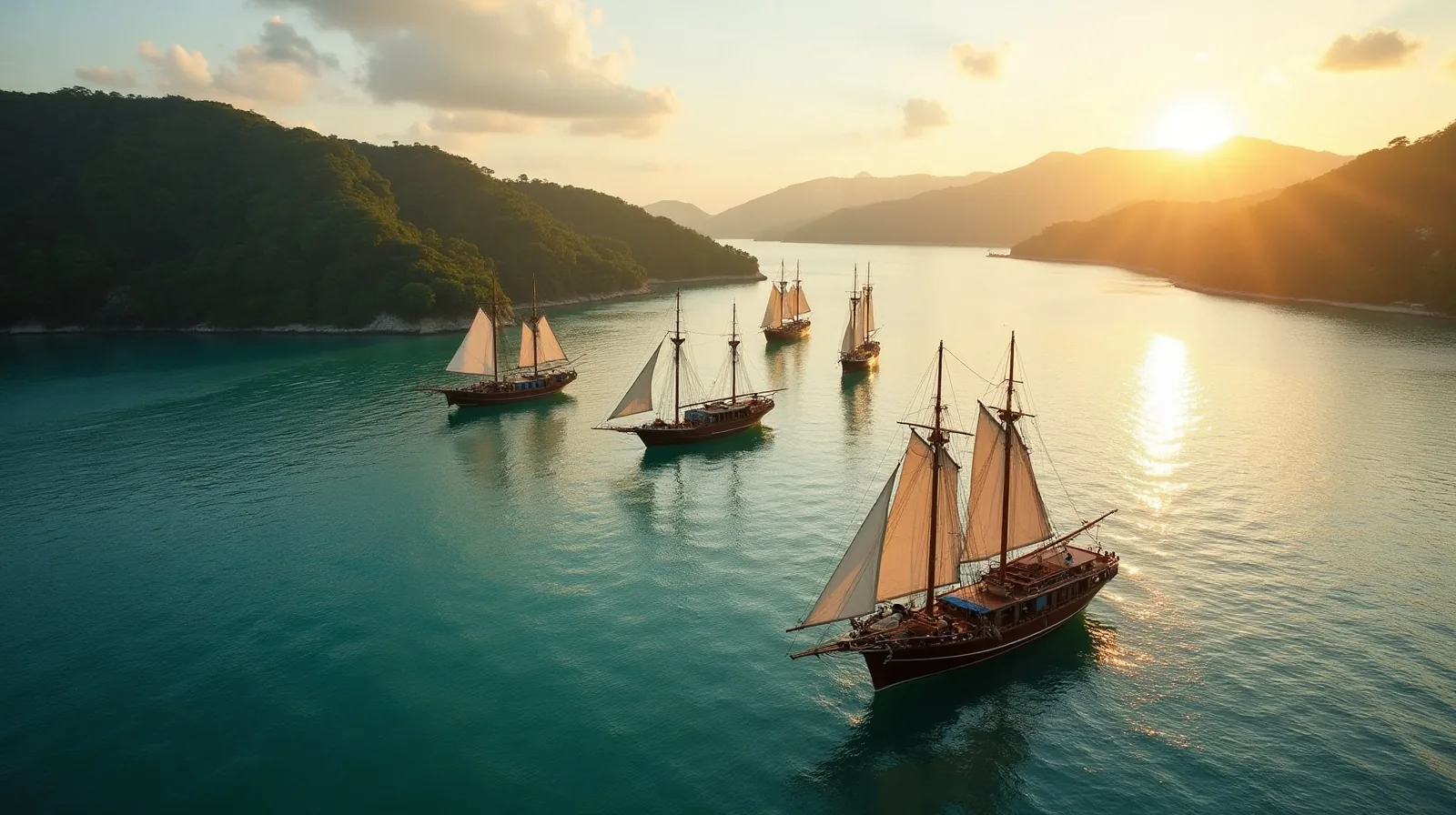
Your vessel plugs into an existing demand engine, the same booking pipeline that fills the Komodo Luxury charter fleet season after season. Rate setting, agent relationships, direct bookings, guest operations, and revenue reporting sit with the operator, with owner statements issued on an agreed cycle.

Reporting and exit framing

A serious program defines from day one how performance is reported, how operating costs are accounted, and what the realistic exit routes are: resale of the vessel, resale of the share, or continued hold. We insist on seeing these mechanics in writing before we put any client into a program.

How Our Desk Arranges It With the Juara Holding Group Ecosystem

Bali Yacht Broker is a curation and advisory desk. We arrange; we do not operate. The distinction matters because it keeps our incentives aligned with yours: we are assessing operators, not defending our own fleet.

We work with the wider Juara Holding Group ecosystem to place clients into vetted programs. Juara Holding Group has worked in Indonesian marine tourism since 2015, and its services span charter operations, travel logistics, and destination marketing across Bali, Komodo, and Raja Ampat. On the investment side, the group’s Komodo arm structures the actual programs: vessel sourcing or build supervision, fleet integration, and the management agreement that governs how income and costs flow. Our desk sits between you and that machinery. We qualify your objectives and capital range, match you to a program type (full vessel, newbuild commission, or fractional entry), walk you through the modeled numbers line by line, and stay involved through documentation and onboarding.

What we will not do is present modeled income as guaranteed income, minimize the cost line to make a deck look better, or place a client into a structure we have not examined. If a program does not withstand that scrutiny, we say so and keep looking.

Realistic Income and Cost Guidance

Every figure below is a modeled range drawn from market research on the Komodo and Labuan Bajo charter market. Actual results depend on occupancy, seasonality, rate discipline, and maintenance events, and none of it is guaranteed.

Vessel classModeled gross charter income / yearTypical operating cost share
Mid-range charter catamaranAround USD 180,00035-60% of gross
Mid-size phinisi (6-8 cabins)Roughly USD 250,000-450,00035-60% of gross
Large luxury phinisiUp to roughly USD 600,00035-60% of gross

Two things make these gross figures credible rather than hopeful. First, the demand side is publicly visible: charter pricing in this market is published and bookable, and you can cross-check the rates guests actually pay in the 2027 Bali and Komodo charter cost guide maintained by our sister charter site. Second, the same pricing logic holds in the adjacent frontier market; our own Raja Ampat yacht charter cost guide for 2027 shows where premium itineraries clear when supply is thin. When weekly charter rates for a quality phinisi run into five figures, an annual gross in the mid six figures requires healthy but not heroic occupancy.

The cost line deserves equal attention. Crew salaries, fuel, provisioning, insurance, park fees, agent commissions, maintenance reserves, and dry-docking together commonly consume 35 to 60 percent of gross, with older wooden hulls and aggressive itineraries sitting at the top of that band. Any projection you are shown, by us or anyone else, should state its cost assumption explicitly. If a pitch shows gross income with no operating line, walk away.

On capital entry: full ownership of a charter-ready mid-range catamaran or phinisi typically requires a high six-figure to low seven-figure USD commitment, newbuild phinisi commissions vary with size and fit-out, and fractional entries lower the ticket considerably. Exact figures depend on the program open at the time you enquire, which is why we scope this in conversation rather than publish numbers that age badly.

How to Start

The process is deliberately unhurried, because this is a multi-year commitment in a specialist market.

  1. Initial conversation. Message the desk on WhatsApp or email with your capital range, timeline, and whether you lean toward full ownership, a newbuild, or a fractional share. We reply with an honest read on what is currently open.
  2. Program review. We share the modeled income and cost workings for the matching program, including the management agreement structure, reporting cycle, and exit framing.
  3. Verification. You are encouraged to verify the demand side independently, inspect vessels in Labuan Bajo, and have your own counsel review documentation. We facilitate all three.
  4. Placement. Once terms are agreed, the group’s Komodo investment arm executes the structure and the vessel enters, or continues in, fleet rotation. Our desk stays available to you afterward as the relationship point.

Frequently Asked Questions

Is the charter income guaranteed?

No, and you should be wary of anyone who says otherwise. The figures on this page are modeled gross ranges based on market research and published charter pricing. Real outcomes move with occupancy, seasonality, rate levels, and maintenance events. What a good program guarantees is transparency: defined reporting, defined cost accounting, and a management agreement you can enforce.

Can foreign investors participate in Indonesian charter fleets?

Yes, through properly built structures. Foreign participation in Indonesian marine tourism is typically arranged via Indonesian corporate entities or contractual program structures rather than direct personal ownership of a commercially licensed vessel. The specifics depend on the program and your circumstances, and we always recommend independent legal review before committing. Structuring is part of what the group’s investment arm handles.

Why Komodo and Labuan Bajo rather than Bali itself?

Komodo National Park is where multi-day charter demand concentrates. Guests fly into Labuan Bajo specifically to board vessels for two- to five-night itineraries, which supports the overnight rates that drive the income models above. Bali generates strong day-charter demand, but the high-gross programs are built around the Komodo corridor.

What happens if the vessel needs major repairs?

Maintenance reserves and dry-docking cycles are built into the operating cost assumption, which is one reason the 35 to 60 percent band is wide. A major unplanned event, engine replacement or significant hull work, can push a given year toward or beyond the top of the band. Ask to see how the program you are reviewing handles reserves and how unplanned capital expenditure is split; we will not place clients into programs where this is undefined.

How long is capital typically committed?

Most participants should think in a horizon of five years or more. Vessels are illiquid assets, and value is realized through the income stream plus an eventual resale of the vessel or share. Shorter exits are possible but depend on finding a buyer for your position, which the desk can assist with but cannot promise on a schedule.

Do I get to use the yacht myself?

Usually yes, within limits. Most programs include an owner-use allocation, a set number of nights per year, typically outside peak weeks so the vessel keeps earning when demand is strongest. The exact allocation is defined in the management agreement, and it is one of the levers we negotiate on your behalf.

Talk to the Desk

If you are weighing yacht charter investment in Indonesia, the useful next step is a direct conversation with people who can show you real programs and real workings, not a brochure. Tell us your capital range and objectives, and we will tell you plainly what is open, what it models, and what it costs to run.
Message the Bali Yacht Broker desk on WhatsApp at +62 811-3941-4563 or email bd@juaraholding.com. Replies come from the team that will actually handle your placement, and there is no obligation attached to asking hard questions. We would rather lose a placement than place you badly.