
Survey & scoping
A haul-out or in-water survey and a written condition report, separated into must, should and cosmetic — approved line by line.
Own & invest · Refit
Photographic progress reports, staged payments released against verified milestones, materials receipts checked against the scope, and one point of contact who speaks both the owner’s language and the yard’s.
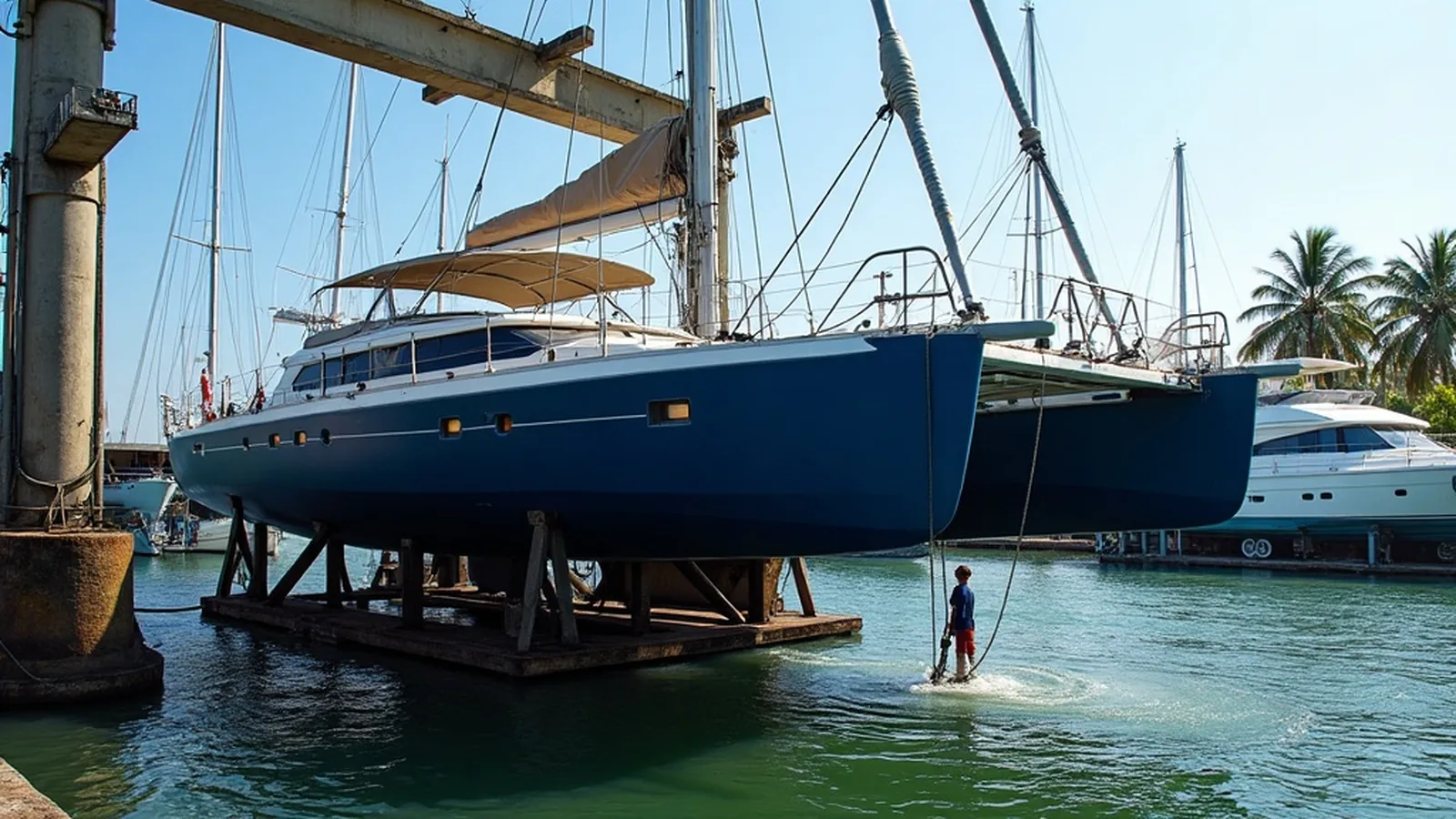
Every project starts with a survey and a written condition report, split into three lists: what must be done for safety and class, what should be done for charter earnings, and what is cosmetic. You approve it line by line before any yard is engaged.
Managed project
A haul-out or in-water survey and a written condition report, separated into must, should and cosmetic — approved line by line.
Systems, electrical and interior work in Bali where parts logistics are faster; structural timber work in South Sulawesi where the boatbuilding communities and hardwood supply are.
Photographic progress reports, staged payments against verified milestones, and materials receipts checked against the scope.
Sea trial against the approved scope, a defects list with agreed remedies, and the refit dossier.
Planning ranges
Refit pricing varies with vessel size, timber condition and scope, so treat these as planning ranges, not quotations. Firm pricing follows the survey.
Annual haul-out
USD 10–35K20–35 m
Antifouling, anodes, hull inspection and minor caulking on a wooden phinisi. Two to four weeks.
Mid-scope refit
USD 60–250K30–45 m
Systems overhaul, safety equipment and interior refresh. Two to four months.
Major structural
USD 250–900K+30–50 m
Replanking, frames, engine replacement, full interior. Four to nine months depending on timber availability.
Our fee is agreed in writing before the project starts — a percentage of supervised works, or a fixed monthly retainer for extended yard periods. Yard and materials invoices pass through at cost with full visibility.

Why now
The gap between a tired phinisi and a well-presented one is not cosmetic. It is the difference between a boat that sits unsold for a year and one that transacts.
Charter operators evaluating a vessel for fleet placement look first at engine hours and hull condition, because those determine how many weeks the boat can actually sell.
Before the yard period
Vessel due a yard period, showing its age in the charter market, or being prepared for sale? The first step costs little: a condition survey and an itemised scope you can make decisions with.