
The vessel
Surveyed, and in commercial class where the operation requires it.
Vessel class · Income-ready
Going-concern sales typically close between USD 150,000 and 3.5 million depending on vessel class and verified earnings. Closing is the midpoint, not the finish.
Asset value and earnings value are calculated separately, then reconciled. Where the two disagree sharply, that gap is the negotiation.
The definition
Surveyed, and in commercial class where the operation requires it.
Checked for transferability — some attach to the operating company, not the hull.
Captain and crew contracts, and the practical question of who stays after closing.
The booking ledger with deposits reconciled, transferred with guest consent.
2026 guidance
Every band assumes an operating vessel with transferable licences and documented earnings.
Day-charter boat
USD 150–450K10–30 guests
Licensed day-charter speedboat or day boat.
Day-charter cat
USD 350K–1.2M15–40 guests
Day-charter catamaran or motor yacht.
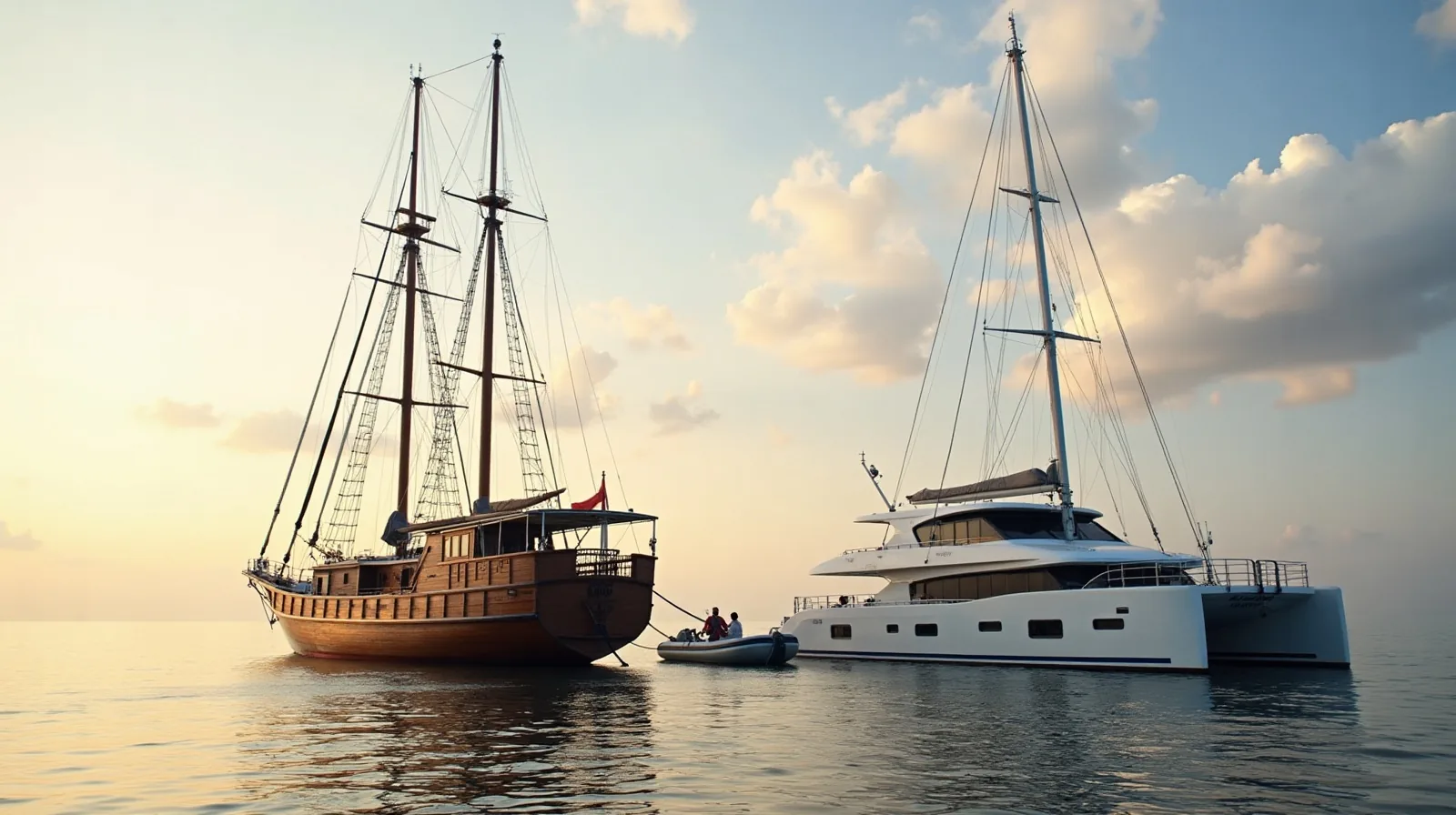
Overnight phinisi
USD 0.5–3.5M6–14 cabins
Operating overnight charter phinisi with a season record.
Unverified earnings add nothing. Value is the survey-adjusted vessel value plus a multiple of verified charter earnings, typically after two to three documented seasons.

What sellers disclose
Every income-vessel mandate opens a simple data room before we market the boat. Buyers get access under a confidentiality understanding once qualified. Sellers sometimes resist — that resistance is itself information.
After closing
Written into the memorandum of agreement, not left to goodwill.
Most buyers do not intend to run daily operations themselves. Within the group, owners can route the vessel into managed charter placement after purchase, under separate terms agreed directly with the operator.
Before you brief us
Serious buyers receive the verified numbers under a simple confidentiality understanding. Tell us the class and budget band you have in mind.