A pre-purchase survey is the one step that removes most of the risk from buying a yacht in Indonesia. Before any deposit becomes non-refundable, an independent yacht surveyor examines the hull, machinery, systems and paperwork of the vessel, takes her to sea under load, and reports what the boat actually is, not what the listing says she is. In a market where many of the most interesting vessels are timber phinisi built in Sulawesi yards without classification-society supervision, this is not a formality. It is the difference between buying a vessel and buying a problem with a mooring.
Bali Yacht Broker is an independent yacht brokerage and marine-investment desk working in Bali since 2015. We do not employ surveyors, and that is deliberate: a surveyor paid by the seller, the yard or the introducing broker is not independent. What our desk does is arrange the survey on your side of the transaction: sourcing an independent yacht surveyor in Indonesia with the right specialisation for the vessel type, coordinating haul-out or in-water dive inspection, scheduling the sea trial, and writing the survey into the sale agreement as a formal condition, so its findings carry contractual weight when you renegotiate or walk away.
This page explains what a proper pre-purchase inspection covers here, what it realistically costs, how the process runs through our desk, and how to commission one, whether the vessel lies in Benoa or Serangan, in Labuan Bajo, or on the hard at a builder’s yard in South Sulawesi.
What a Pre-Purchase Yacht Survey in Indonesia Includes
Scope is agreed in writing before the surveyor is engaged, because “survey” means different things to different sellers. A complete pre-purchase package for this market covers five areas.
Hull and structural inspection
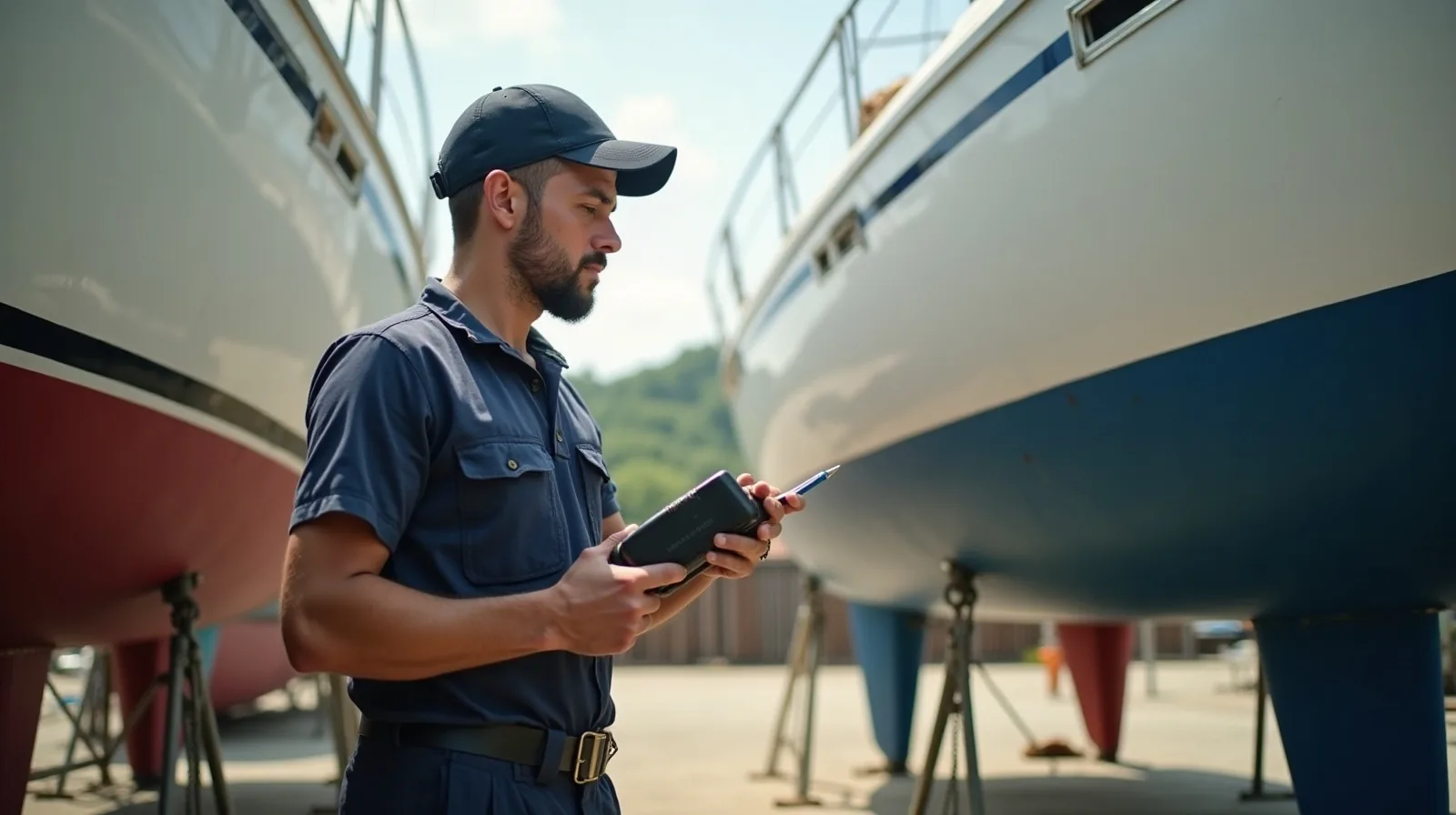
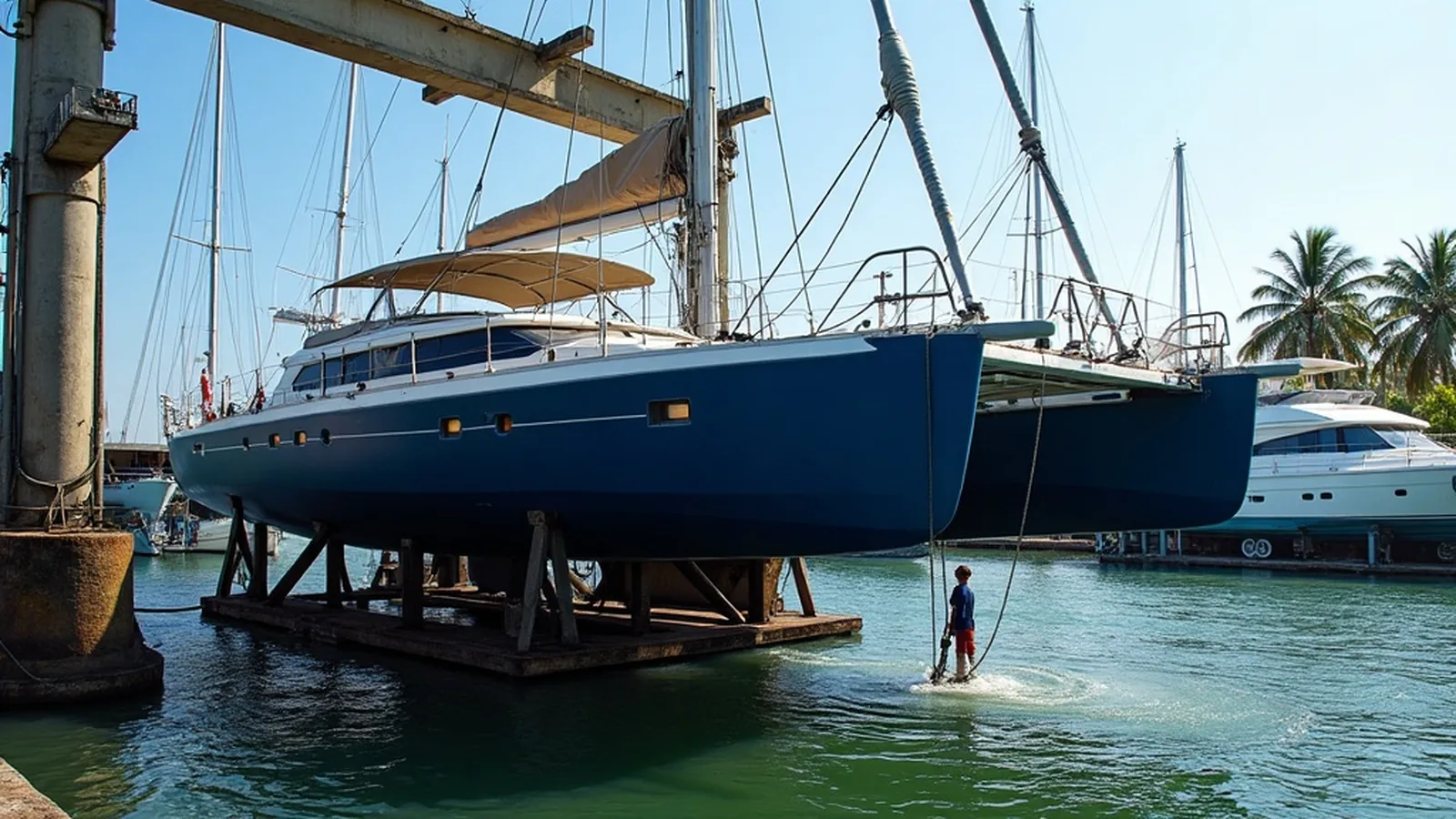
For GRP and steel vessels: moisture readings, percussion sounding of the hull, inspection of keel, rudder, shaft, stern gear and through-hull fittings, and examination of bulkheads, stringers and chainplate areas. This normally requires a haul-out; where no travel lift is available, a diver survey with video is the fallback, and the report will say clearly which method was used and what it could not see.
Machinery and systems
Main engines and generators are inspected cold and running: compression behaviour, smoke, cooling and exhaust systems, mounts and couplings, hours verification against the log, and the condition of wiring, plumbing, steering, tankage, pumps and safety equipment. On larger purchases we recommend adding oil analysis on engines and gearboxes, an inexpensive test that regularly exposes internal wear no visual inspection can find.
Sea trial
A short passage under load, usually one to three hours, with the surveyor aboard. Engines are run up through the rev range, temperatures and pressures are logged, steering and manoeuvring are tested, and sails and rigs are worked where fitted. A yacht that has sat idle at anchor for a year will often pass a dockside inspection and fail a sea trial; we treat the trial as non-negotiable on any powered vessel.
Phinisi timber and structure verification
This is the part of the market where an ordinary surveyor’s checklist is not enough. Traditional phinisi are built in ironwood and teak by yards in Bira, Bulukumba and Batulicin, largely outside class oversight, and their condition varies enormously. Verification means probing and moisture-testing the keel, frames, planking and deck structure, checking fastenings for corrosion and electrolysis, looking for marine borer and rot in way of fittings and the waterline, and reviewing the vessel’s rebuild and refit history against physical evidence rather than the seller’s account. We arrange surveyors with specific timber-vessel experience for this work, and for major purchases we pair them with an Indonesian shipwright who knows the building yards first-hand.
Documentation and registration
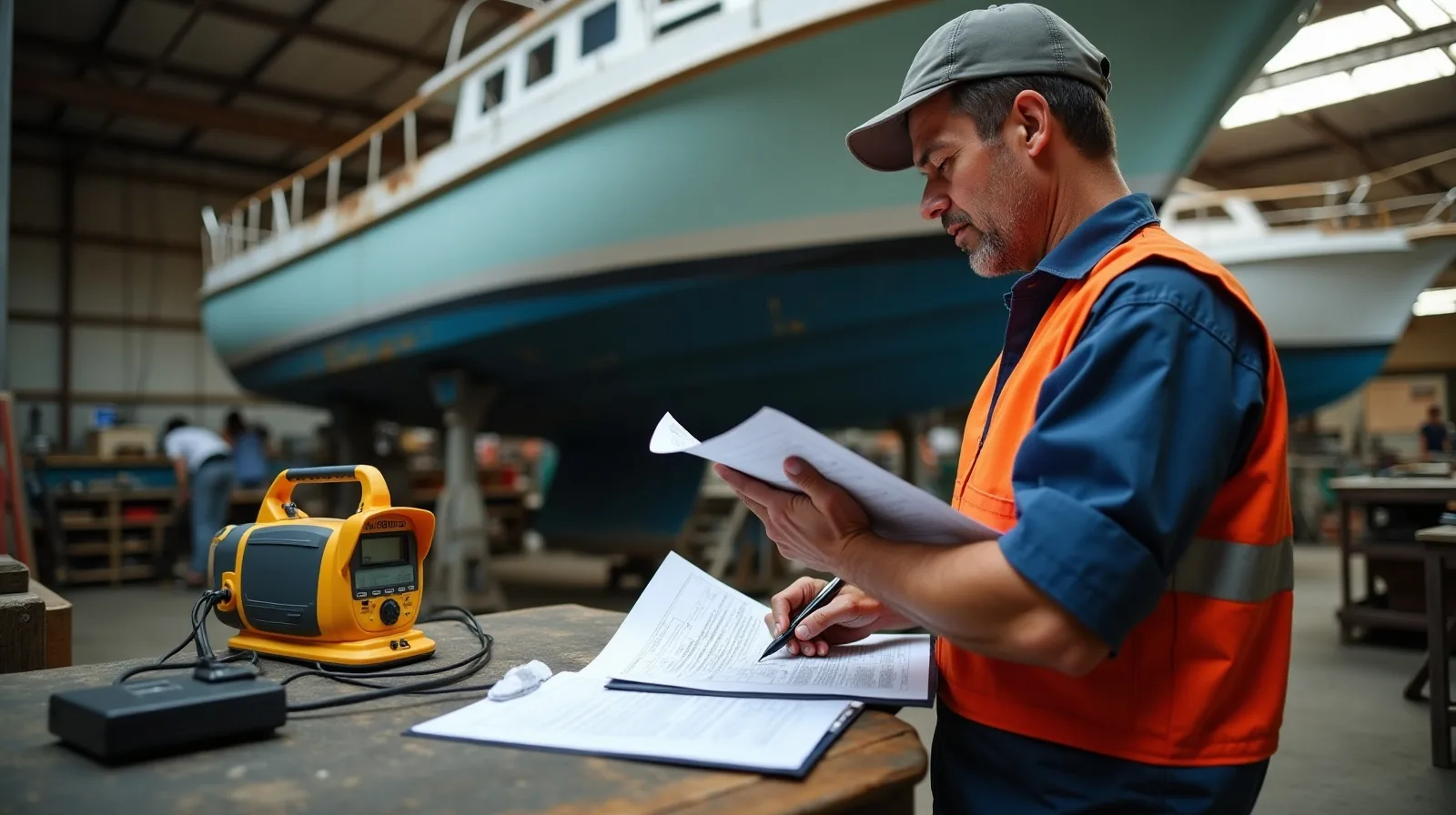
Alongside the physical survey, the vessel’s papers are checked: registration and flag status, tonnage certificate, safety certification, port clearances, and whether the selling entity actually has the right to sell. In Indonesia this step catches problems nearly as often as the hull inspection does.
Why the Surveyor Must Be Independent
The surveyor’s only client should be you. If the seller offers “their” recent survey, treat it as marketing until verified — it may be accurate, but it was not commissioned to protect the buyer, and it is frozen at the date it was written. If a yard offers to inspect a boat it built or maintains, the conflict of interest is obvious. Our desk’s role is to keep the inspection genuinely at arm’s length: the surveyor is engaged for you, reports to you, and is paid for the work regardless of whether the sale completes, so there is no incentive to soften findings to keep a deal alive.
How Our Desk Arranges It
Bali Yacht Broker is a curation and concierge desk, and we are candid about what that means: we do not own shipyards, travel lifts or survey firms. What we bring is years of hands-on relationships across Bali and Labuan Bajo’s marine industry, built through close work with established local operators since 2015. That network means our desk knows which surveyors do rigorous work in this region, which yards can haul which sizes of vessel, and what remediation genuinely costs, because partners such as the boat services team at Komodo Luxury deal with those realities year-round.
The vetting standard we apply to surveyors is the same one we apply to every operator and vessel we put in front of clients, documented in our methodology: verify independence, verify track record, verify insurance and professional standing, and never accept a claim we have not checked. Where a survey turns up defects, we can obtain realistic repair pricing quickly, including through partner facilities such as the Komodo Luxury boat repair operation for timber and fleet vessels, so the survey report converts into a concrete renegotiation figure instead of a vague worry.
If your purchase is intended for charter placement, the same due-diligence discipline should extend to the operator who will run the vessel. Our guide on how to choose a reputable yacht charter operator in Bali sets out the questions to ask before you commit a vessel, or capital, to any fleet.
Realistic Price Guidance
Survey costs in Indonesia depend on vessel size, construction, location and access to haul-out. The figures below are indicative ranges drawn from our market experience; every engagement is quoted individually and the surveyor’s fee is always disclosed to you in full.
| Scope | Typical range (USD) |
|---|---|
| GRP sailing or motor yacht up to ~15 m, full pre-purchase survey | $1,200 – $2,500 |
| Yacht 15–25 m, full survey with sea trial | $2,500 – $5,500 |
| Timber phinisi 25–50 m, multi-day structural and timber survey | $4,000 – $10,000+ |
| Specialist engine or gearbox inspection (add-on) | $500 – $1,500 |
| Oil analysis, per sample | $50 – $150 |
| Diver survey with video, in lieu of haul-out | $300 – $800 |
Haul-out or travel-lift charges are billed by the yard at its own rates, and for vessels lying in remote locations such as Labuan Bajo, Sorong, or a Sulawesi building beach, the surveyor’s travel and accommodation are added at cost. On a seven-figure phinisi purchase, a complete survey package rarely exceeds one percent of the transaction value. Measured against the cost of an undisclosed keel problem, it is the cheapest insurance in yachting.
How to Book a Survey
- Tell us about the vessel. Send the listing or specification, the asking price, where she lies, and your timeline via WhatsApp or email.
- Receive a scoped proposal. Within a few working days we come back with a recommended scope, one or more independent surveyor options with their credentials, and a full cost breakdown including yard and travel charges.
- Condition the contract. Before the survey is booked, we help you make the purchase agreement subject to survey, so findings translate into price adjustment or clean withdrawal with your deposit protected.
- Inspection and sea trial. We coordinate access with the seller, the yard and the crew. You are welcome to attend; many buyers join the sea trial.
- Report and decision. You receive the written report directly from the surveyor, and we walk through it with you: what is cosmetic, what is structural, what it costs to fix, and what that means for the price.
Frequently Asked Questions
Do I need a survey if the phinisi was recently refitted?
Yes — arguably more than ever. “Refit” is an elastic word in this market; it can mean a full structural rebuild or a repaint and new cushions. A timber-competent surveyor verifies which one you are being offered. A genuine refit will survive inspection easily, and a good report then supports the asking price rather than undermining it.
Who are the surveyors and what qualifications do they hold?
We engage independent surveyors on a per-vessel basis rather than keeping one house firm, matching specialisation to the boat. Our sourcing standard favours members of recognised professional bodies such as the International Institute of Marine Surveying, surveyors with classification-society backgrounds, and for phinisi work, inspectors with documented timber-vessel experience in Indonesian yards. Credentials for each proposed surveyor are shared with you before you appoint anyone, and you make the final choice.
How long does the process take?
Scheduling typically takes one to three weeks depending on where the vessel lies and yard availability for haul-out. The inspection itself takes one day for most yachts and two to four days for a large phinisi. Written reports usually follow within three to ten working days. We build these timelines into the sale agreement so the seller cannot use time pressure against you.
Can you arrange surveys outside Bali?
Yes. Most of the vessels our clients pursue are not in Bali: they are in Labuan Bajo, on charter itineraries in Komodo or Raja Ampat, or at building yards in South Sulawesi and Kalimantan. Because our partner network operates in these waters, coordinating access, transport and local yard support in remote locations is routine work for our desk rather than an exception.
What happens if the survey finds serious defects?
Three outcomes, all better than not knowing. You renegotiate the price against a written repair estimate; you require the seller to remediate before completion, with re-inspection; or you withdraw under the survey condition with your deposit returned. Where repair is the path chosen, we can source quotations quickly, including from partner repair operations, so the numbers in the negotiation are real rather than guessed.
Is a sea trial always possible?
Not always — a vessel mid-refit or laid up ashore cannot be trialled. In those cases the surveyor’s report states plainly that machinery was not tested under way, and we structure the offer accordingly: either a holdback against post-launch trials or a lower price reflecting the unknown. What we will not do is present an untested vessel as fully surveyed.
Commission Your Survey Before You Commit
If you are considering a specific vessel anywhere in Indonesia, the right moment to involve a surveyor is before you sign anything binding — and the second-best moment is now. Send us the listing and we will respond with a scoped, fully priced survey proposal and independent surveyor options, usually within a few working days.
Message our desk on WhatsApp at +62 811-3941-4563 or email bd@juaraholding.com. Tell us the vessel, where she lies, and your timeline; we will handle the rest of the arrangement, and the surveyor will answer to you alone.