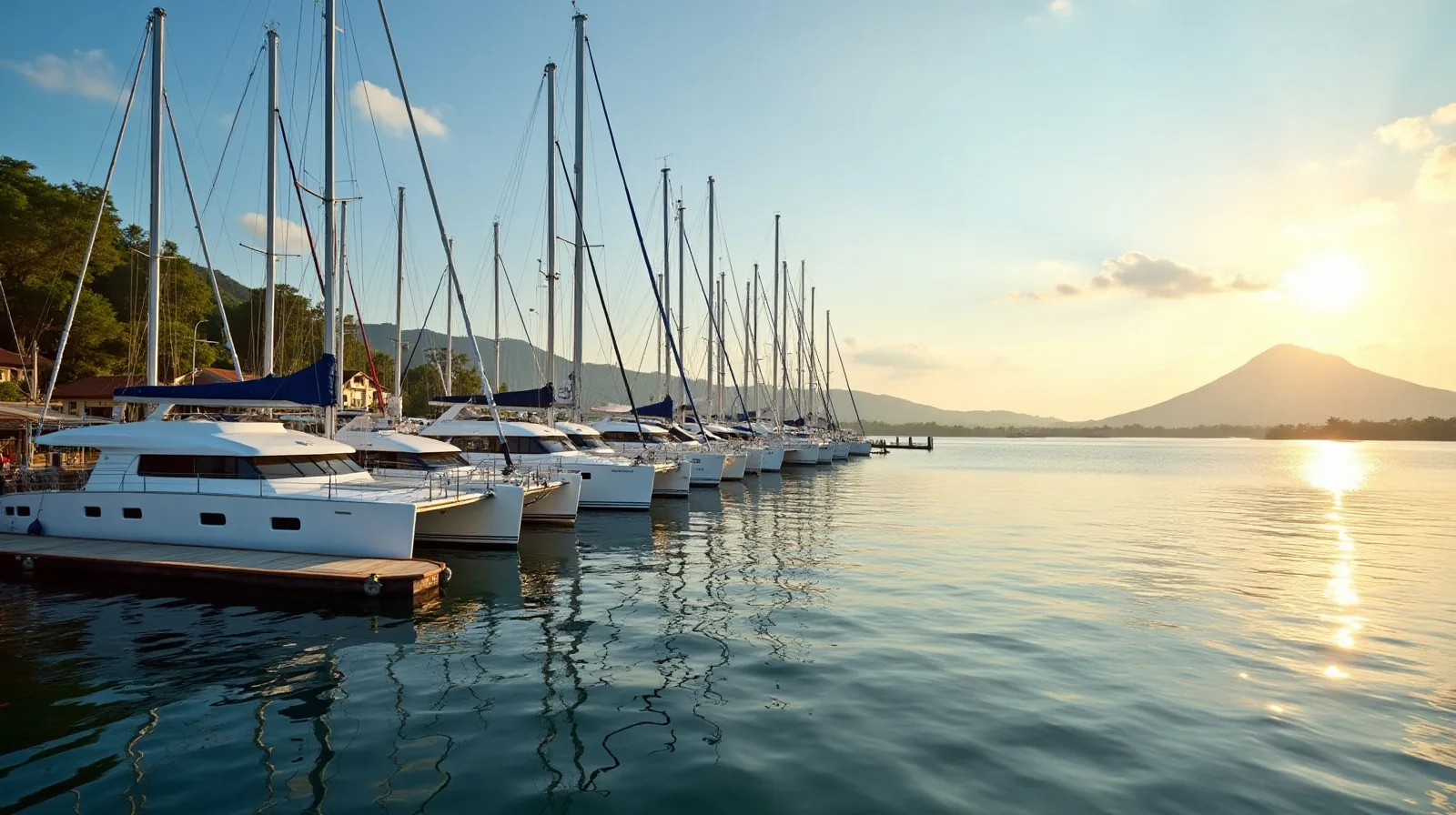
Yes, you can run a serious yacht refit in Indonesia, and for wooden phinisi it is usually the only place that makes sense. Bali handles systems, interiors, rigging and finishing work close to the charter grounds; the traditional yards of South Sulawesi, where most phinisi were originally launched, handle structural timber work (replanking, re-caulking, keel and frame repairs) at a depth of craft knowledge no fibreglass-era yard can match. Our refit desk plans, prices and supervises these projects end to end, whether the goal is a clean annual haul-out, a pre-sale condition upgrade, or a full rebuild before a vessel enters charter service.
To be clear about what we are: Bali Yacht Broker is a brokerage and advisory desk, not a shipyard. We do not own slipways or employ shipwrights. What we provide is project management: an honest condition survey, a realistic scope of work, yard selection and negotiation, weekly on-site supervision, and a documentation trail that holds up when the vessel is later surveyed, sold, or placed into a charter fleet. The physical work is carried out by vetted yards and by the marine services teams inside the Juara Holding Group ecosystem, the Bali-based group we operate under, active in Indonesian marine tourism since 2015.
The reason this desk exists is blunt: upkeep is the largest recurring cost in phinisi ownership. A traditionally built wooden hull working hard charter seasons in tropical water needs disciplined, scheduled intervention. Owners who skip it pay twice, first in lost charter weeks and then in a discounted sale price. A managed refit converts that unavoidable cost into recoverable value: better survey results, higher achievable charter rates, and a faster, cleaner sale.
What a Managed Refit Project Includes
Condition survey and honest scoping
Every project starts with a haul-out or in-water survey and a written condition report. We separate the scope into three lists: what must be done for safety and class, what should be done for charter earnings, and what is cosmetic. You approve the scope line by line before any yard is engaged. This discipline is what keeps Indonesian refits from drifting: the most common failure mode we see is a vague scope that grows 40 percent once the boat is open.
Yard selection: Bali or Sulawesi
For engine, generator, electrical, watermaker, air-conditioning, tender and interior work, Bali-based facilities and mobile engineering teams are usually the right call, since parts logistics are faster and owners or captains can inspect progress easily. For structural timber work on a phinisi (hull planking in ironwood or teak, frames, deck beams, traditional caulking), we route vessels to the established boatbuilding communities of South Sulawesi, in the Bulukumba region, where the shipwright lineages that build these hulls still work. Many refits split the difference: structure in Sulawesi, systems and finishing in Bali.
Supervision, reporting and cost control
Indonesian yards do excellent work at fair prices, but they are not self-reporting. Our desk arranges independent supervision: photographic progress reports, staged payments released against verified milestones, materials receipts checked against the scope, and a single point of contact who speaks both the owner’s language and the yard’s. You see where the money went, item by item.
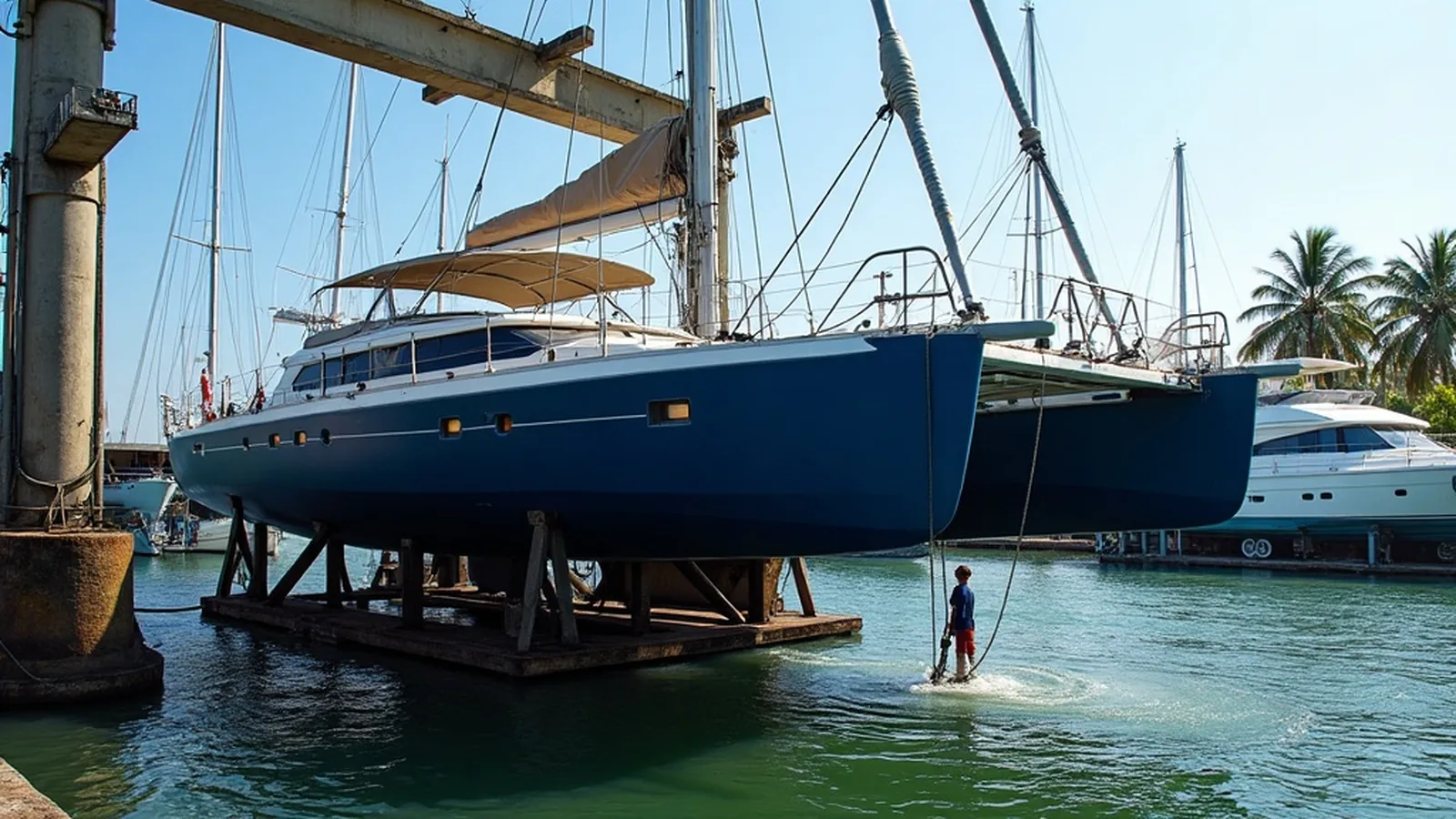
Sea trial, documentation and handover
The project closes with a sea trial against the approved scope, a defects list with agreed remedies, and a refit dossier: survey, scope, invoices, photographs, warranties. If the vessel is heading to market or into a charter fleet placement, that dossier becomes part of the sale or placement file. Buyers pay more for boats whose history is written down.
Why Refit Before You Sell or Place Into Charter
In the Indonesian market, the gap between a tired phinisi and a well-presented one is not cosmetic. It is the difference between a boat that sits unsold for a year and one that transacts. Charter operators evaluating a vessel for fleet placement look first at engine hours and hull condition, because those determine how many weeks the boat can actually sell. A targeted refit, often far short of a full rebuild, routinely moves a vessel into a higher charter-rate band and widens the pool of serious buyers. We advise on exactly which items return their cost at sale and which do not; roughly half of what owners assume they need to do before selling, they do not.
How Our Desk Arranges It Through the Juara Holding Group Ecosystem
Because we sit inside a group that operates charter vessels across Komodo, Raja Ampat and the wider archipelago, we do not source yards from a directory; we use the same teams the group’s own fleet depends on. Structural and mechanical work is coordinated with the group’s boat repair operation under Komodo Luxury, which runs scheduled maintenance and emergency repair programs for working charter vessels. Where a refit extends into reconfiguration (new cabin layouts, deck plans, or interior schemes intended to lift charter positioning), we bring in the group’s boat design team so the changes are drawn properly before a saw touches timber. Our desk’s role is to represent your interests inside that ecosystem: independent scoping, price negotiation, and supervision that answers to you, not to the yard.
Timber sourcing and waste handling during refits follow the group’s environmental commitments; you can read how we approach responsible materials and marine practices on our sustainability page.
Realistic Price Guidance
Refit pricing in Indonesia varies with vessel size, timber condition and scope, so treat the figures below as planning ranges, not quotations. Firm pricing follows the survey.
| Scope | Typical vessel | Indicative range (USD) |
|---|---|---|
| Annual haul-out: antifouling, anodes, hull inspection, minor caulking | 20–35 m wooden phinisi | $10,000 – $35,000 |
| Mid-scope refit: systems overhaul, safety equipment, interior refresh | 30–45 m phinisi or motor yacht | $60,000 – $250,000 |
| Major structural refit: replanking, frames, engine replacement, full interior | 30–50 m phinisi | $250,000 – $900,000+ |
Two budgeting rules we hold owners to. First, wooden charter vessels in Indonesia are commonly budgeted at roughly 5–10 percent of vessel value per year for maintenance; if a boat you are buying has no maintenance history, assume the deferred work is waiting for you and price the purchase accordingly. Second, our project management fee is quoted per project, typically a percentage of supervised works or a fixed monthly retainer for longer yard periods, and is set out in writing before the project begins. There are no undisclosed margins on yard invoices; you see the yard’s pricing directly.
How to Book a Refit Consultation
- Contact the desk. Message us on WhatsApp at +62 811-3941-4563 or email bd@juaraholding.com with the vessel’s type, length, build year, location and what prompted the refit: survey finding, sale preparation, charter placement, or scheduled maintenance.
- Initial assessment. We review existing survey reports, photographs and maintenance records, and give you a preliminary read on scope and budget band, usually within a few working days.
- Survey and scope. We arrange the condition survey, produce the itemised scope, and present yard options with pricing for your approval.
- Project execution. Work proceeds under staged payments and supervised milestones, with progress reports until sea trial and handover.
Frequently Asked Questions
How long does a phinisi refit take in Indonesia?
An annual haul-out typically runs two to four weeks. A mid-scope refit covering systems and interior work usually takes two to four months. Major structural work (replanking sections of hull, frame repairs, engine replacement) commonly runs four to nine months depending on timber availability and the extent opened up. We build the schedule around the charter calendar so the vessel is back earning for high season wherever possible.
Can you manage a refit while I am overseas?
Yes, most of the projects we arrange are for owners who are not in Indonesia. You receive photographic progress reports against the approved scope, staged payment requests tied to verified milestones, and a single English-speaking point of contact. Nothing outside the approved scope proceeds without your written sign-off.
Should I refit in Bali or in Sulawesi?
It depends on the work. Structural timber repair on phinisi belongs in South Sulawesi, where the original boatbuilding communities work and hardwood supply chains exist. Systems, electrical, interior and finishing work is usually better handled in Bali. For larger projects we frequently sequence both: structure first in Sulawesi, then systems and fit-out in Bali before sea trial.
Is a refit worth it before selling?
Selectively, yes. Condition items that show up in a buyer’s survey (hull integrity, engine health, safety systems) return their cost by protecting the asking price and shortening time on market. Full cosmetic refits before sale often do not. Because we also run the brokerage side, we will tell you plainly which items move the sale price for your specific vessel and which are money spent for the next owner’s benefit.
What does project management cost?
Our fee is agreed in writing before the project starts, structured either as a percentage of supervised works or as a fixed monthly retainer for extended yard periods. Yard and materials invoices are passed through at cost with full visibility. The survey and initial scoping are quoted separately as a fixed price, so you can take the scope elsewhere if you choose. Most owners do not, but the option keeps us honest.
Start With a Survey, Not a Guess
If your vessel is due a yard period, showing its age in the charter market, or being prepared for sale, the first step costs little: a condition survey and an itemised scope you can make decisions with. Message our refit desk on WhatsApp at +62 811-3941-4563 or email bd@juaraholding.com with your vessel details, and we will come back with a preliminary assessment and a clear path to a fixed, supervised project.