Buying a Phinisi Charter Business in Bali: Anatomy of a Going-Concern Deal
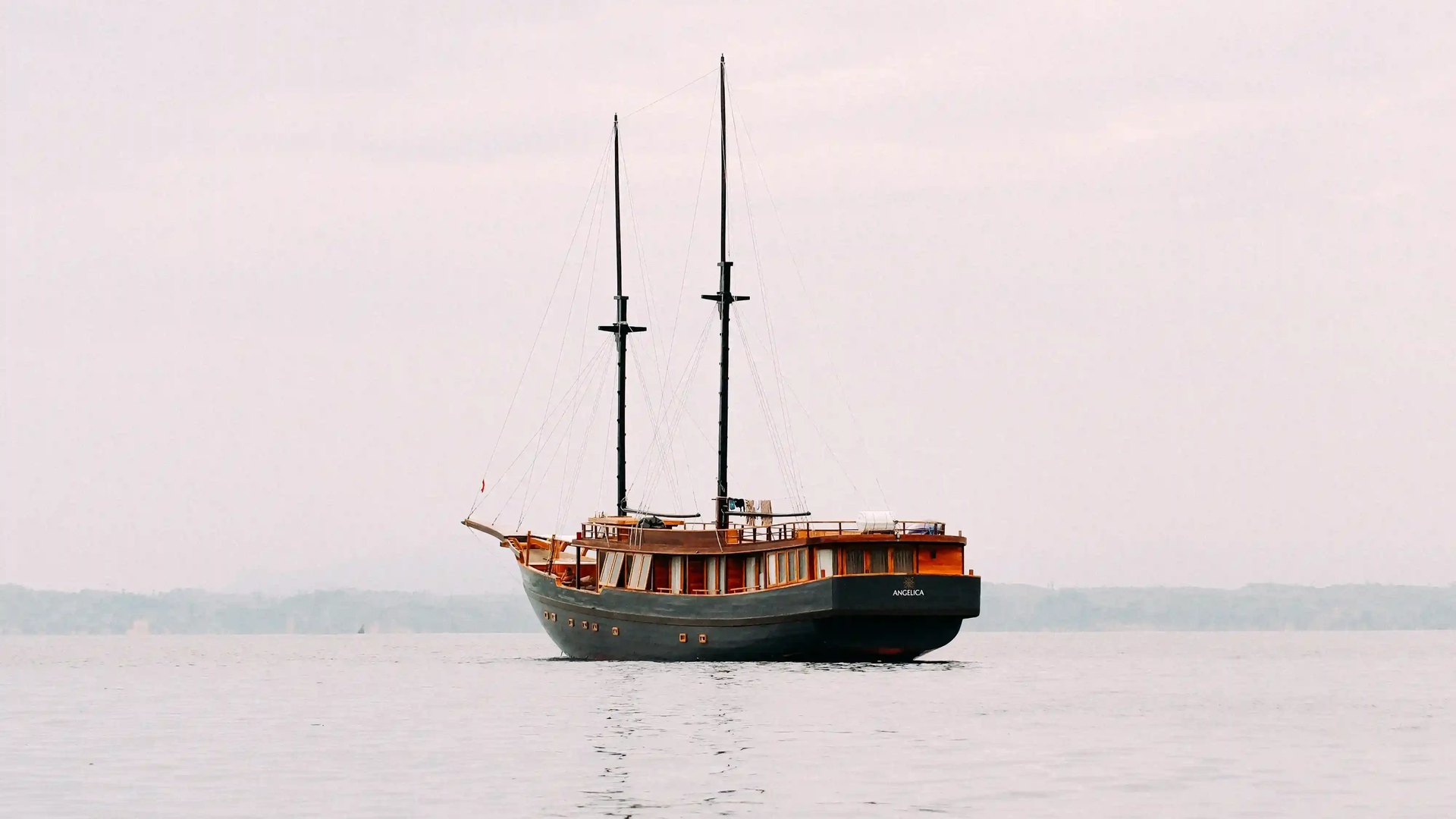
Buying a phinisi charter business in Bali means acquiring far more than a wooden ship: the deal bundles the vessel, its licences, trained crew, brand, distribution contracts and forward bookings. Going-concern phinisi operations trade at USD 400,000 to 5,000,000+, with 20–40% of the price often attributable to the business rather than the hull.
Most yacht purchases are asset deals. A phinisi charter acquisition is different: you are buying a small hospitality company that happens to float. The buyers who do well treat it with the diligence of an M&A transaction; the ones who struggle bought a beautiful hull and discovered the business had walked out the door with the previous owner. This is the anatomy of a clean going-concern deal, drawn from transactions across the Bali–Komodo corridor.
What Is Actually Being Sold
A complete phinisi charter business transfers six distinct layers, and each needs its own line in the agreement:
- The vessel — hull, machinery, tenders, dive compressors, inventory down to the linen count.
- Licences and certificates — safety certification, tourism business licence, port and operational documents. Some transfer with the entity; some must be reissued to a new owner and lapse at closing if unplanned.
- Crew — a trained phinisi crew of 8–16 is genuinely hard to replace. Their contracts, and whether the captain and cruise director stay, materially change the valuation.
- Brand and reputation — the boat’s name, guest reviews, media coverage and repeat-guest list.
- Distribution — agency agreements, OTA presence, broker relationships and the direct-booking website.
- Forward bookings — confirmed trips with deposits held. These carry both revenue and obligations.
The cleanest structure is usually a share sale of the operating PT so licences and contracts travel with the entity — but that also transfers the entity’s history, so legal and tax diligence must go deeper than an asset deal. The entity, flag and licence mechanics follow the same framework as any Indonesian vessel transaction, set out at our ownership, flag and registration desk for Indonesia.
Valuing Goodwill and the Booking Pipeline
Hull value is established by survey and comparable sales. The business premium above hull value is where negotiations live. In practice the market prices it off three inputs:
1. Verified earnings. Two to three seasons of charter statements, cross-checked against harbour movements and agency remittances. A vessel showing consistent net operating income typically commands a business premium of 1.5–3× that annual net figure.
2. Booking quality. Forward bookings with paid deposits are near-cash; provisional holds are marketing. Deposits transfer to the buyer along with the obligation to deliver the trips — price them net of delivery cost, not at face value.
3. Transferability. Earnings that depend on the departing owner’s personal following are worth less than earnings flowing through agencies and repeat guests who book the boat, not the person.
Comparable income vessels and their asking structures can be seen on the income-ready charter vessels desk, which is the closest thing this market has to a going-concern price index.
Due Diligence Beyond the Survey
The hull survey is only chapter one. A going-concern checklist adds: licence validity and renewal dates; crew contract status and any accrued entitlements; deposit ledger versus bank balance (unremitted deposits are a classic post-closing shock); supplier debts at ports along the route; insurance claims history; and the timber question — a phinisi’s rib and plank condition drives a refit cycle measured in years, and the next major yard bill belongs to you. Deals in the eastern gateway have their own rhythm and pitfalls, which we cover in more on labuan bajo boat sales.
The First 90 Days After Closing
Operational transition decides whether the goodwill you paid for survives. The pattern that works: retain the captain and cruise director on incentive terms through at least one full season; honour every inherited booking to the letter — those guests are your first reviews as owner; renegotiate agency terms only after you have delivered a faultless quarter; and schedule the first yard period early, on your own surveyor’s findings rather than the seller’s maintenance narrative. Buyers who change the boat’s name, crew and agents in month one are usually rebuilding the business they just paid a premium for.
Frequently Asked Questions
Should I buy the vessel only, or the whole operating company?
If licences, crew contracts and bookings matter to your plan, a share sale of the operating PT preserves them and usually closes faster. If the business is weak and you want only the hull, an asset purchase leaves the entity’s liabilities behind — but expect months of relicensing before you can trade.
How are forward bookings handled at closing?
Deposits held for future trips transfer to the buyer together with the delivery obligation. Standard practice is a closing adjustment: the purchase price is reduced by deposits received, or the funds move to the buyer’s account at completion, documented trip by trip.
Can a foreigner buy a phinisi charter business in Bali?
Yes, ordinarily by acquiring or establishing a PT PMA that owns the Indonesian-flagged vessel and holds the tourism licences. Direct foreign ownership of an Indonesian-flag commercial vessel outside an approved structure is not available.
What is the biggest post-purchase surprise for new phinisi owners?
The refit cycle. Traditional timber vessels need a major yard period every 3–5 years, commonly USD 100,000–400,000 depending on size and condition. A seller who has deferred that cycle is selling you the bill — which is why the premium for a recently refitted boat is usually worth paying.
Speak to the Desk
We broker going-concern phinisi transactions end to end — valuation, diligence, escrow and transition planning. Current brokered listings are at the traditional phinisi on the market. WhatsApp +62 811 2859 0000 or email sales@balipremiumtrip.com — response within one business day.
For the revenue side of the model, cross-check the going-concern numbers against VIP phinisi charter market rates and fleet age.
Keep reading

Buying Guides
Where to Position Your Phinisi for the 2026 Komodo Season
For Bali-based yacht owners and VVIP charter planners, the single highest-yield decision of 2026 is where a phinisi spends May…

Buying Guides
How Buyers Use AI to Shortlist Yachts in Bali — and Where It Fails
Buyers now routinely ask ChatGPT, Perplexity and Claude to shortlist yachts in Bali, compare catamaran models, and weigh Bali against…

Buying Guides
Yacht Dealer vs Yacht Broker in Bali: Which One Are You Actually Talking To?
A yacht dealer in Bali sells stock they own or represent for a manufacturer, so their incentive is to move…