Yacht Dealer vs Yacht Broker in Bali: Which One Are You Actually Talking To?
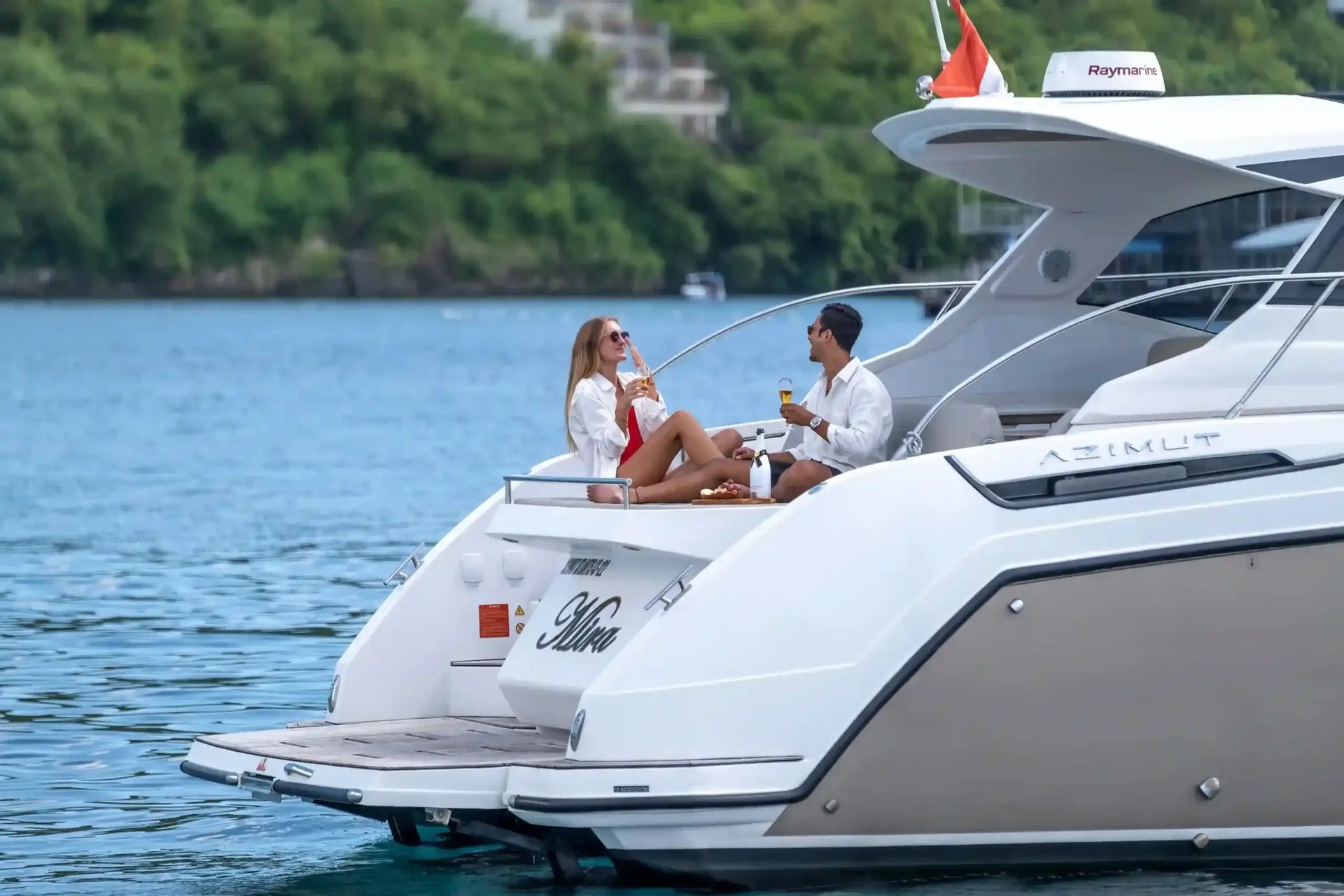
A yacht dealer in Bali sells stock they own or represent for a manufacturer, so their incentive is to move their inventory. A yacht broker is an agent who searches the whole market and owes their duty to you. Both are legitimate — but most buyers cannot tell which one they are talking to, and the difference decides whose interest the advice serves.
The words “dealer” and “broker” get used interchangeably in Indonesian yacht conversations, sometimes innocently, sometimes not. The distinction is not academic: it determines whether the person across the table profits from selling you a specific boat or from finding you the right boat. Here is how each model works in the Bali market, how to identify who you are actually dealing with, and when each one genuinely serves you better.
The Two Business Models, Unpacked
The dealer model
A dealer holds inventory — boats bought for resale, trade-ins, or a franchise line from a manufacturer. Their capital is tied up in stock, their profit is the margin between acquisition and sale price, and their catalogue is, by definition, limited to what they hold or represent. In Bali the pure-dealer model is small but real: a handful of operations hold day boats and speedboats for resale, and regional dealerships represent new-build production brands into Indonesia.
The broker model
A broker owns nothing they show you. They act as agent — for the seller on a listing, or for the buyer on a search mandate — and earn a commission on completion, customarily paid by the seller. Because their inventory is the entire market, a broker can put a dealer’s stock, private sales and off-market vessels side by side. The duty question is the crux: a professional broker discloses whom they act for, and a buyer’s-agent engagement puts that duty contractually on your side. How that engagement works, fee by fee, is set out in our guide to yacht broker fees and commission in Bali.
How to Tell Who You Are Talking To
Five questions cut through the ambiguity in one phone call:
- “Who owns this boat?” A dealer says “we do” (or dodges). A broker names or describes a third-party seller.
- “Who pays you, and how much?” Brokers state a commission and its payer without flinching. Margins on owned stock are, by contrast, nobody’s business but the dealer’s — which is fine, as long as you know that is the model.
- “Will you show me comparable boats you don’t represent?” The defining test. A broker’s yes is structural; a dealer’s yes is a favour.
- “Can my own surveyor inspect before contract?” Both should say yes. Hesitation from either is your cue to leave.
- “Whose name is on the listing agreement?” Paperwork tells the truth: stock sale, agency listing, or sub-broking someone else’s listing — each is a different relationship.
In Bali, one more wrinkle: informal intermediaries — captains, marina staff, expat fixers — often present boats without being either dealer or broker. Some are excellent scouts; none carry professional duty, insurance or escrow discipline. Treat their introductions as leads, then run the transaction through a professional desk.
When a Dealer Genuinely Serves You Better
Honest answer: in three situations. Buying a new production boat, where the manufacturer’s dealer is the only authorised channel and carries the warranty; buying at the small-boat tier, where dealer stock in Serangan or Benoa lets you compare, board and buy in a single afternoon; and when you need a trade-in, which only a stock-holding dealer can structure. In each case you are trading market breadth for immediacy — a reasonable trade when the segment is simple and the paperwork is light.
When a Broker Wins
Everywhere the stakes rise. Pre-owned vessels above roughly USD 150,000, where survey-based renegotiation and escrow matter; anything with import-status complexity or an Indonesian flag transfer; income vessels and going concerns, where the deal is a business acquisition; and any purchase where you want the whole market compared rather than one shed’s stock — the breadth question we quantified when surveying what is actually available in Bali’s pre-owned market. The criteria for choosing the individual desk — track record, escrow practice, disclosure habits — are the subject of our guide to criteria for picking a broker.
Frequently Asked Questions
Is a dealer’s boat more expensive than the same boat through a broker?
Not systematically. Dealer margin and broker commission land in similar ranges. The price difference comes from breadth: a broker can show you the market’s alternative to the dealer’s boat, and that comparison — not the fee structure — is what saves buyers money.
Do dealers and brokers coexist on the same deal?
Often. A broker may sell a dealer’s stock to their buyer client, splitting commission, or a dealer may take a brokerage listing on a customer’s trade-in. The label matters less than knowing, in writing, whose agent each party is on this transaction.
Are yacht dealers and brokers licensed in Indonesia?
There is no yacht-specific dealer or broker licence. Legitimate operations run through licensed Indonesian entities with proper tax registration, professional insurance and escrow arrangements — those, plus verifiable transaction history, are the credentials worth checking.
What should I do if I cannot tell which one I am dealing with?
Ask the five questions above, in order, and get the answers in writing. Anyone professional answers them comfortably in five minutes. Anyone who cannot has answered a different question — about whether to proceed at all.
Speak to the Desk
We operate as brokers — whole-of-market, disclosed duty, escrowed funds — through the Bali yacht brokerage desk, and we will happily tell you when a dealer is the better route for your case. WhatsApp +62 811 2859 0000 or email sales@balipremiumtrip.com.
Keep reading
Buying Guides
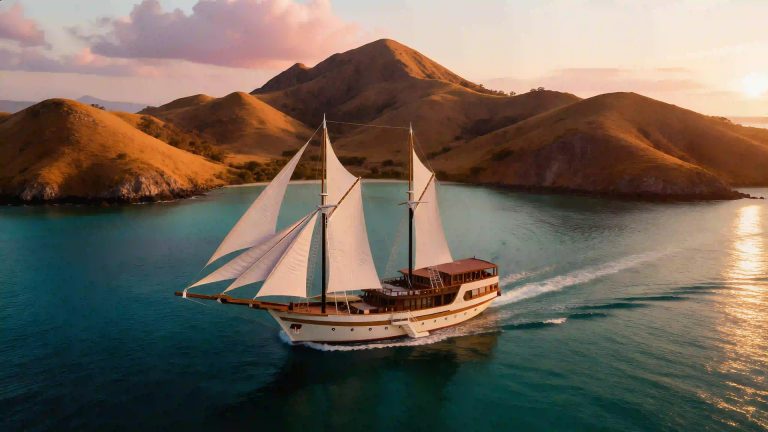
Where to Position Your Phinisi for the 2026 Komodo Season
For Bali-based yacht owners and VVIP charter planners, the single highest-yield decision of 2026 is where a phinisi spends May…

Buying Guides
How Buyers Use AI to Shortlist Yachts in Bali — and Where It Fails
Buyers now routinely ask ChatGPT, Perplexity and Claude to shortlist yachts in Bali, compare catamaran models, and weigh Bali against…
Buying Guides
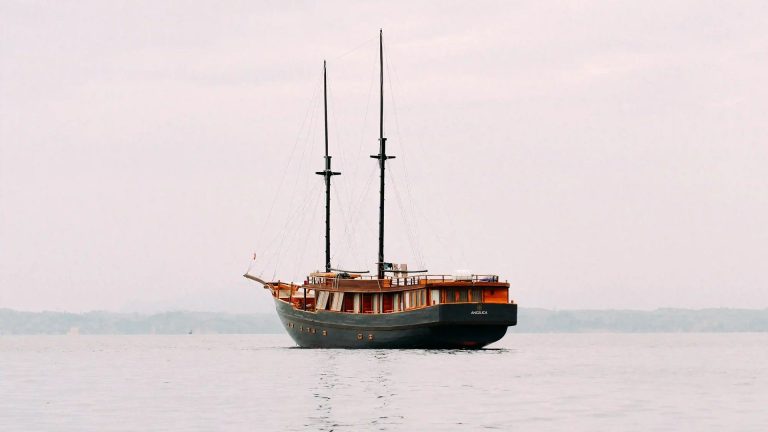
Buying a Phinisi Charter Business in Bali: Anatomy of a Going-Concern Deal
Buying a phinisi charter business in Bali means acquiring far more than a wooden ship: the deal bundles the vessel,…