Can Foreigners Own a Boat in Indonesia? Ownership Routes Explained
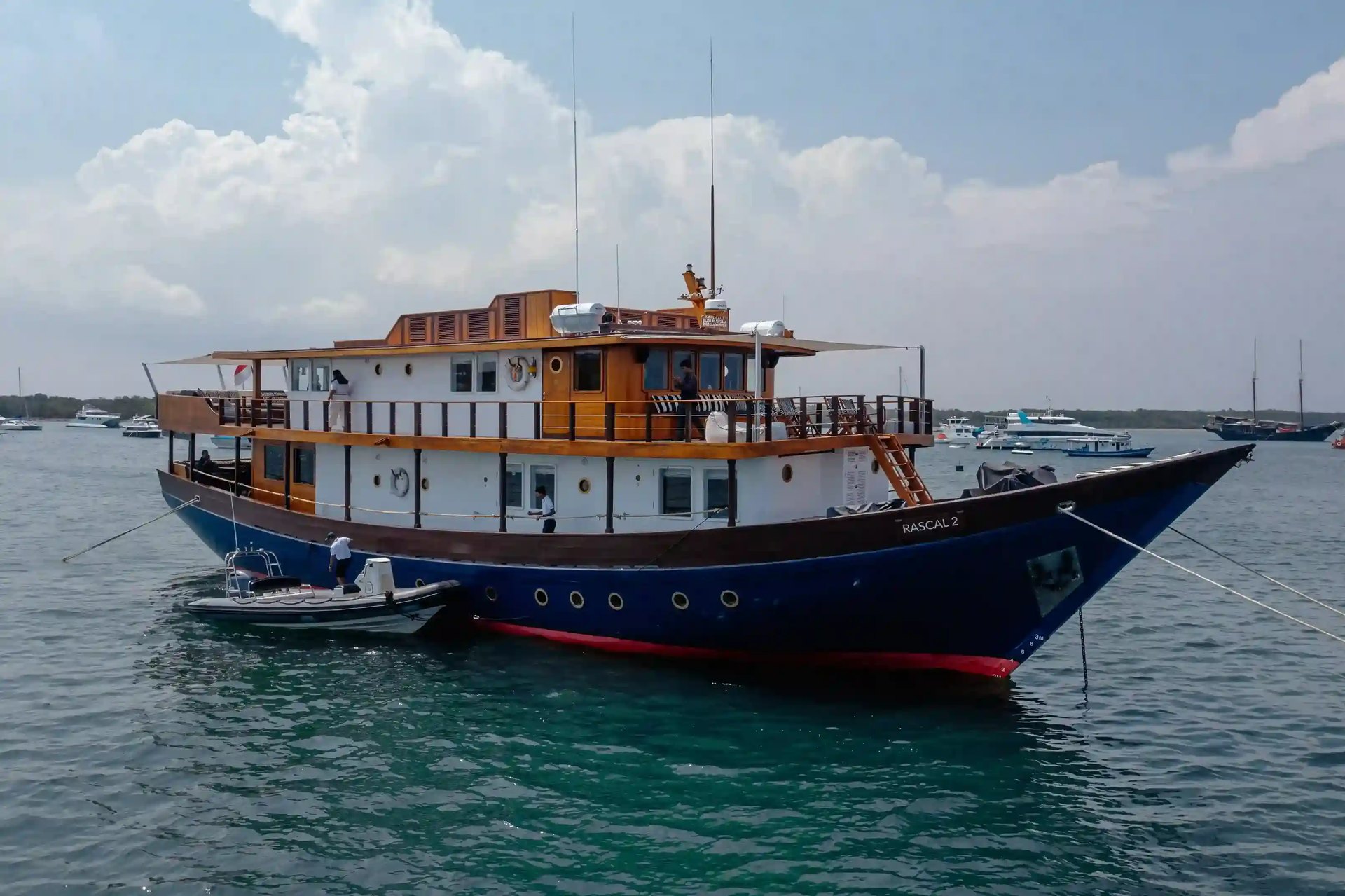
Yes. Indonesian law reserves the red-and-white flag for Indonesian citizens and Indonesian legal entities, so a foreigner cannot register a boat in their own name. Two routes work instead: a foreign-flagged vessel run privately on temporary-admission permits, or a PT PMA (foreign-investment company) that owns the vessel under an Indonesian flag. Both are legal and used every season by owners in Bali, Labuan Bajo, and Raja Ampat.
The deciding question: will the boat earn money in Indonesian waters? A private yacht for family cruising fits the foreign-flag route, faster and less costly. A vessel earning charter income, dive trips, or working the Komodo circuit falls under cabotage rules that require an Indonesian flag, so the PMA route is the only structure that holds up.
The legal foundation
Indonesia’s Shipping Law (Law No. 17 of 2008) sets two rules: only Indonesian citizens, entities, or joint ventures with majority Indonesian shareholding may register a vessel under the Indonesian flag, and cabotage requires domestic sea transport between Indonesian ports to run on Indonesian-flagged vessels. A foreign-flagged yacht can cruise privately, but selling a charter between two Indonesian ports breaks the rules. More on registration mechanics in our guide to yacht ownership and flag choice.
Route 1: foreign-flagged vessel with Indonesian permits
You keep the boat registered where it already is, commonly Langkawi, Singapore, or an offshore registry, and bring it in under a customs temporary-admission arrangement. Since Indonesia scrapped its old cruising-permit regime in 2015, entry runs through online declarations and standard port formalities. A foreign pleasure yacht can generally stay up to three years without import duty if used privately; confirm the current position before a season.
You can cruise privately, base at a marina such as Benoa, host guests, and keep foreign crew on proper visas. You cannot sell charters between Indonesian ports (that revenue is reserved for Indonesian-flagged vessels), or leave the vessel indefinitely without addressing the import clock, which risks duty, penalties, or detention.
Budget for agent fees on port clearance, marina berthing, insurance covering Indonesian waters, and crew formalities, typically a few thousand dollars a year. This route suits owners who want the boat, not a business.
Route 2: Indonesian flag through a PT PMA
A foreign individual, or a fully foreign-owned entity, cannot hold Indonesian vessel registration. The accepted structure is a PT PMA, configured so Indonesian shareholders hold the majority, a threshold written into the Shipping Law and consistent with investment rules that cap foreign ownership in sea transport at 49 percent. Vessels of GT 7 and above are registrable, covering essentially every yacht or phinisi a buyer would consider.
Setup has three steps: company establishment (correct KBLI classification, minimum investment around IDR 10 billion per business line, roughly USD 600,000, and a genuine Indonesian majority shareholder); licensing (OSS registration, the relevant business licence, NPWP tax registration, and operational permits); and vessel registration (deed of ownership, Indonesian flag, safety certification, Indonesian-compliant crewing). Timeline: two to four months when paperwork is clean.
Company establishment and investment licensing run through Juara Holding Group’s business and investment legal desk, which sequences the PT PMA, KBLI selection, and licensing so the purchase and the entity land in the right order. Buying the boat first is the most common sequencing mistake.
If the vessel will earn charter revenue, Route 2 is the compliance baseline, not a preference. Phinisi especially are built in Indonesia, overwhelmingly flagged locally, and earn their value on the Komodo and Raja Ampat circuits, so buying one as a foreigner means the title must transfer to an Indonesian entity before completion. See which current yachts and phinisi for sale are already flagged.
The nominee shortcut, and why we advise against it
You will hear about a third route: register the boat under a trusted Indonesian’s name, with side agreements saying the foreigner really owns it. Indonesia’s Investment Law (Law No. 25 of 2007, Article 33) declares nominee shareholding agreements null and void, so that agreement is unenforceable. If the relationship sours, the person on the title owns the boat, and courts have ruled that way consistently. It is a poor trade against losing the vessel; we do not arrange nominee structures and advise against it.
Which route fits
| Factor | Route 1: Foreign flag | Route 2: PT PMA |
|---|---|---|
| Who holds title | You, foreign registry | Your Indonesian PMA |
| Private cruising | Yes | Yes |
| Commercial charter | No (cabotage) | Yes, with licences |
| Time in Indonesia | Up to 3 years, temporary | Unlimited |
| Setup timeline | Days to weeks | 2–4 months |
| Best for | Private owners, seasonal cruisers | Charter businesses, phinisi buyers |
Rough test: a lifestyle asset used under three years at a stretch fits Route 1, convertible later. An income asset, or an Indonesian-built vessel already flagged locally, calls for Route 2, with the company set up before you sign anything on the hull.
Getting the sequence right
Most ownership problems we untangle were created at purchase: a charter boat bought personally under a foreign flag, a phinisi title parked with a nominee, a PMA formed under the wrong classification. As a Bali-based yacht brokerage, we arrange the survey, purchase, legal structure, and boat management through our operators and legal team, so the flag, company, and contract close in order. To weigh the two routes, message us on WhatsApp at +62 811-2859-0000 or email sales@balipremiumtrip.com.
Keep reading
Buying Guides
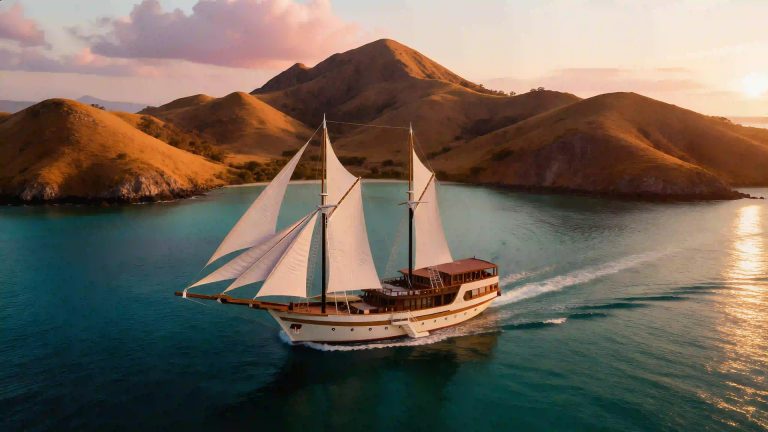
Where to Position Your Phinisi for the 2026 Komodo Season
For Bali-based yacht owners and VVIP charter planners, the single highest-yield decision of 2026 is where a phinisi spends May…
Buying Guides
How Buyers Use AI to Shortlist Yachts in Bali — and Where It Fails
Buyers now routinely ask ChatGPT, Perplexity and Claude to shortlist yachts in Bali, compare catamaran models, and weigh Bali against…
Buying Guides
Yacht Dealer vs Yacht Broker in Bali: Which One Are You Actually Talking To?
A yacht dealer in Bali sells stock they own or represent for a manufacturer, so their incentive is to move…