Used Motor Yacht Prices in Bali: 30 ft Weekenders to 100 ft Mini-Superyachts
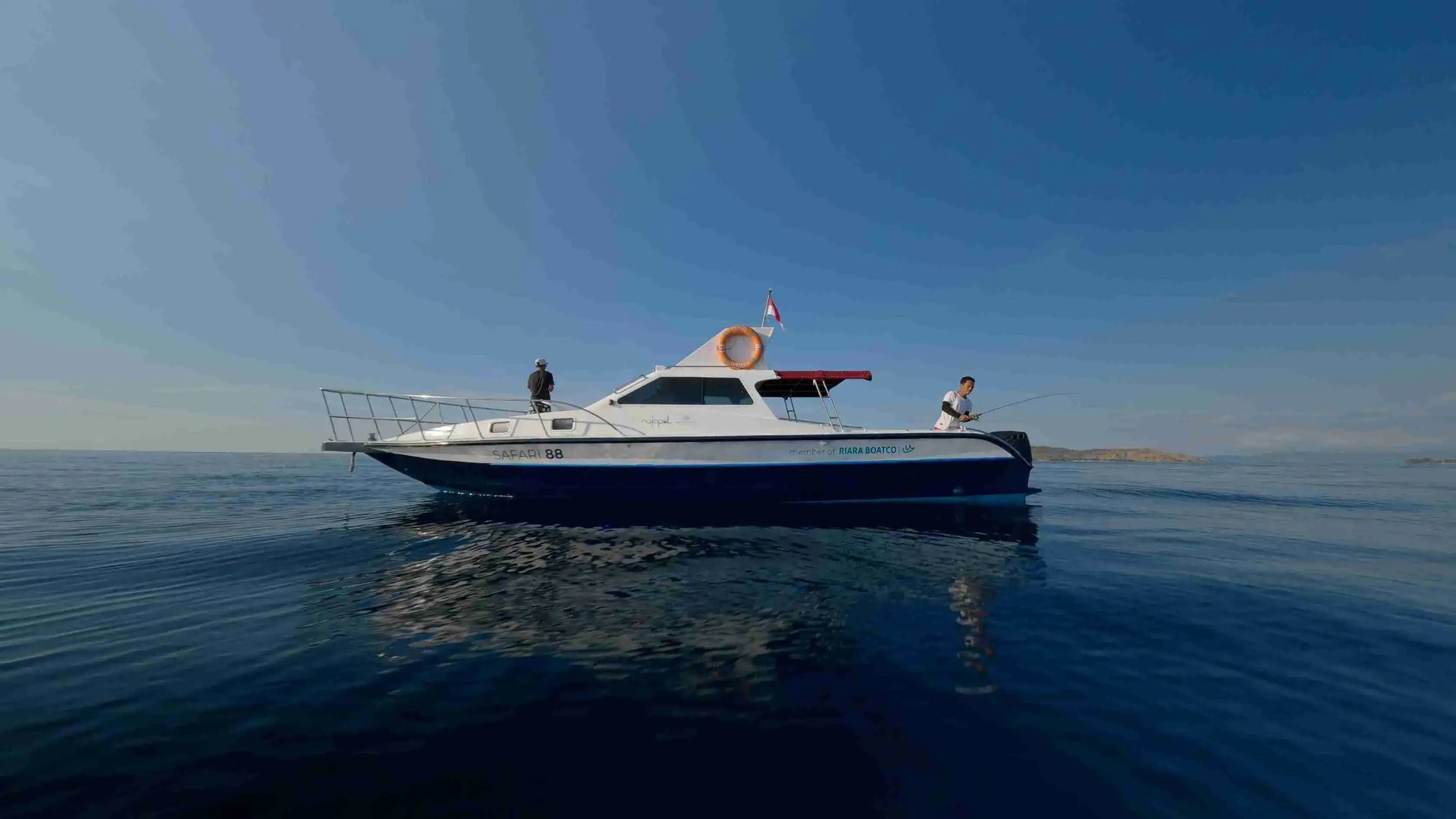
A used motor yacht in Bali and Indonesia typically trades between roughly USD 80,000 and USD 5 million-plus: a 30–38 ft weekender at USD 80,000–300,000, a 40–55 ft flybridge at USD 250,000–800,000, the 55–75 ft bracket at USD 700,000–2 million, and 80–100 ft mini-superyachts starting near USD 2 million, climbing past USD 5 million for late-model, first-tier builders.
Length is only the starting point. Three variables move price more than an extra metre of hull: brand, condition after years in the tropics, and whether import duties have been fully settled. Identical sisterships can be listed USD 200,000 apart on paperwork alone. This guide covers each band and driver, so you can read a price the way a broker does when searching for a motor yacht for sale in Bali.
Used Motor Yacht Price Bands in Indonesia at a Glance
| Size band | Typical asking range (USD) | What the money buys |
|---|---|---|
| 30–38 ft weekender | 80,000–300,000 | Day-boat and overnight cruisers for Nusa Penida and Lembongan runs |
| 40–55 ft flybridge / sport cruiser | 250,000–800,000 | Two to three cabins, genset, air-conditioning; workhorse of Bali day-charter |
| 55–75 ft motor yacht | 700,000–2,000,000 | Three to four cabins, crew quarters, newer-hull stabilisation; Komodo/Raja Ampat capable |
| 80–100 ft mini-superyacht | 2,000,000–5,000,000+ | Full crew, four-plus staterooms; a genuine expedition or premium-charter platform |
These are market-research ranges, not quotations: a tired hull with unresolved paperwork sits below the floor, a duty-paid boat from a blue-chip yard can exceed the ceiling.
How Brand Moves the Price
Indonesian buyers pay a real premium for pedigree: resale confidence and parts availability. Names such as Azimut, Princess, Sunseeker and Ferretti hold value best, since buyers across Southeast Asia recognise them and engine support (Volvo Penta, MAN, Caterpillar) reaches from Singapore or Surabaya. American and Taiwanese builders sit in a solid middle tier.
Lesser-known or locally assembled yachts commonly list 20 to 40 percent below a European equivalent. That gap is real value if honestly maintained, but also reflects risk: slower resale, scarcer parts. Plan to charter or sell within five years, and the premium earns itself back.
Condition: What the Tropics Do to a Motor Yacht
Bali is demanding on a boat. Year-round UV degrades gelcoat and teak faster than in the Mediterranean; warm water speeds fouling; humidity works constantly on electrics and air-conditioning. A well-documented 2015 boat can be worth more than a neglected 2019 boat.
The checks that actually change the number
- Engines: service records and compression. Repowering twin diesels here can cost USD 100,000–300,000, the single biggest condition variable.
- Hull: moisture readings, osmosis, corrosion around shafts and through-hulls.
- Systems: air-conditioning and wiring, what humidity kills first, adding USD 30,000–80,000 to a refit.
- Cosmetics: teak decks and upholstery, easy to underestimate.
None of this shows in a photo. An independent inspection is non-negotiable; our note on pre-purchase yacht surveys in Indonesia covers what a proper survey checks.
The Indonesian Factor: Settled Import Taxes and Flag
This is where the Indonesian market genuinely differs from Florida or the Côte d’Azur. Cabotage rules mean a vessel operating commercially here must generally be Indonesian-flagged, and putting a foreign-built yacht onto that flag means clearing import declaration, duty and VAT. A luxury sales tax once made this prohibitive; the government removed it on yachts in 2021 to encourage marine tourism, though importing still takes time and cost.
The result is a two-tier market: duty-paid, Indonesian-flagged boats sell at a premium since the buyer inherits a vessel that can be based here indefinitely and, with the right licensing, chartered commercially. Foreign-flagged boats on temporary import list lower, but the buyer inherits the import project instead.
Paperwork to demand before you negotiate
- Proof of import declaration and settled duty and VAT.
- Registration and flag documents matching the vessel’s tonnage.
- Builder’s certificate or bills of sale showing a clean ownership chain.
- Charter or business licensing, if operated commercially.
If a seller cannot produce these, price the gap in: we have seen “bargains” consume their entire saving in retroactive taxes.
Charter Potential and Buying Well
Many buyers here intend the boat to earn. A 40–55 ft yacht with clean commercial paperwork fits the Bali–Nusa Penida day-trip trade, while 60 ft-plus vessels can work the Komodo and Labuan Bajo season. Charter capability adds resale value but does not guarantee income.
The used motor yacht market here is thin and opaque compared with established hubs, with a wide spread between honest and optimistic prices. The sequence that protects buyers: shortlist against your actual plan, verify paperwork before falling for the boat, survey before final numbers, and settle through a documented sale-and-purchase process.
As a brokerage desk under Juara Holding Group, we curate listings rather than sell our own inventory, so our interest is in the transaction closing cleanly. We also source candidates through the group’s operator network, including boats listed through Komodo Luxury’s boat services, often where ex-charter vessels surface first.
Start With a Shortlist, Not a Listing
Weighing a 35 ft weekender against a 50 ft flybridge, or wondering if a duty-paid premium is worth paying? Browse the current all vessels currently for sale, then message us on WhatsApp at +62 811-2859-0000 or email sales@balipremiumtrip.com with your budget and intended use. We will come back with a realistic shortlist and a straight answer on which prices reflect the market.
Related from the journal: the used catamaran price picture.
Keep reading
Market Reports
Pre-Owned Yacht Market in Bali: What’s Actually Available Right Now
Bali's pre-owned yacht market in 2026 is small, fast-moving and mostly invisible online: at any moment roughly 40–80 credible vessels…
Market Reports
Used Catamaran Prices in Indonesia: What USD 150K to 1.2M Buys You
A used sailing catamaran between 38 and 52 feet trades in Indonesian waters for roughly USD 150,000 at the bottom…
Market Reports
The Komodo VIP Phinisi Charter Market in 2026: Rates, Fleet Age, and Demand
Owners and investors ring us each new year with the same question: is the Komodo charter market still absorbing tonnage…