The Yacht Investor’s Asset Mix: Balancing Marine Cashflow with Onshore Bali Holdings
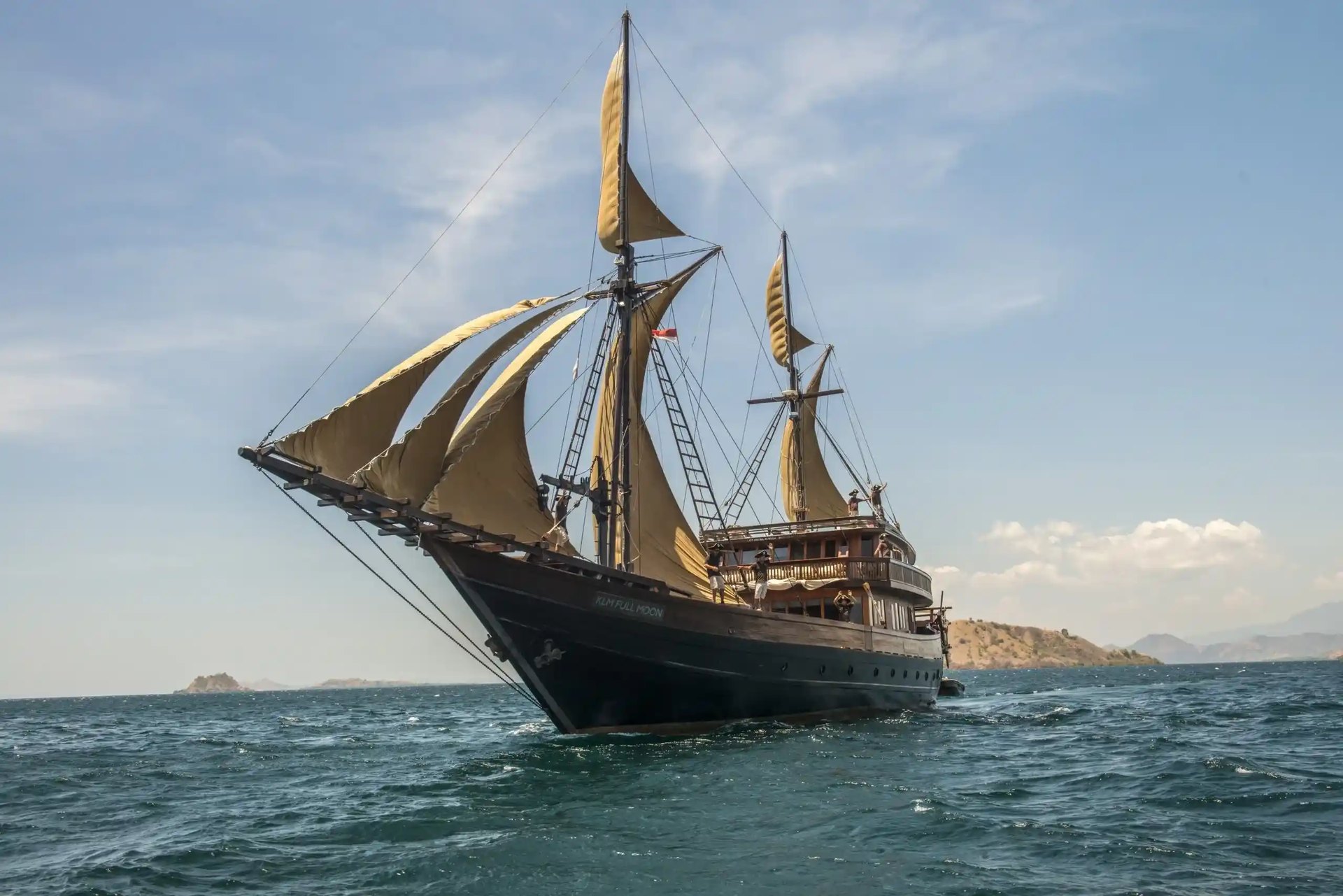
A balanced Indonesia position pairs two asset classes that behave in opposite ways. Yachts and phinisi generate charter cashflow from the first season, but the hull loses value every year it works. Onshore Bali land and zone-linked property, such as the Sanur SEZ, yield less running income but have historically driven Bali’s capital appreciation. The vessel pays you while you hold it; the land rewards you when you exit.
For most private investors, the vessel should be a cashflow engine, not the majority of net worth committed to the country. A common framework holds one-third to one-half of Indonesia-earmarked capital in marine assets, with the balance onshore and charter surpluses swept into land over time. This is a framework for discussion, not personal advice; the right split depends on your liquidity, tax, and horizon.
Why a yacht is a cashflow asset, not a store of value
A working vessel is closer to an operating business than a passive investment. Motor yachts depreciate like commercial equipment; a wooden phinisi holds value longer since each is a one-off build, but the maintenance bill is relentless, from haul-outs to crew salaries and insurance. Running costs typically land around 10 percent of vessel value a year, and for boats working hard Komodo seasons, budgeting above that is prudent. The payoff is cashflow onshore assets rarely match: Komodo National Park is one of Asia’s strongest charter destinations, with a core season running roughly April through December, and published charter rates for crewed phinisi span from a few thousand US dollars a night to well above ten thousand for the top tier. A vessel that books well returns a meaningful cash yield while the hull slowly loses value; that trade, cash now against value later, is why the asset needs a counterweight. Our guide to the charter yield programme covers the operating economics.
The onshore counterweight: what actually appreciates in Bali
Bali property is the mirror image of the boat. Rental yields on villas and land are usually modest once management costs are honest, and the asset is illiquid, but well-located land in supply-constrained corridors has been the island’s most reliable appreciation story for decades. Freehold (Hak Milik) is reserved for Indonesian citizens, so foreign capital typically enters through long leaseholds, a foreign-owned company (PT PMA), or right-to-use arrangements. Each carries different exit mechanics, so legal counsel here is not optional.
The most interesting onshore development for portfolio builders is the Sanur Special Economic Zone: a roughly 41-hectare zone on Bali’s east coast, designated in 2022 as Indonesia’s first SEZ for health and wellness tourism, anchored by the Bali International Hospital. The government has repeatedly cited estimates that Indonesians spend on the order of US$11 billion a year on medical treatment abroad, and the zone aims to bring a share of that spending onshore to Sanur. An SEZ position is tied to national policy and institutional anchor tenants rather than tourist footfall alone; a useful independent starting point is the Sanur SEZ market overview. For a yacht owner the pairing is natural: both feed on Bali’s pull for affluent visitors, though they sit at different points on the appreciation-versus-cashflow curve.
A practical allocation framework
| Asset | Role | Cash behaviour | Value behaviour |
|---|---|---|---|
| Charter yacht or phinisi | Cashflow engine | Seasonal, USD-linked charter income | Depreciating; maintenance-dependent |
| Bali land / long leasehold | Appreciation core | Low or nil running yield | Historically appreciating in prime corridors |
| Sanur SEZ-linked position | Policy-backed growth | Varies by instrument | Tied to zone build-out and anchor institutions |
| Cash reserve (IDR + USD) | Operating buffer | Covers refits and low seasons | Stable by design |
Two features deserve emphasis. First, the cash reserve is not optional: boats generate their worst bills, engine rebuilds and haul-outs, precisely when they are not earning. A reserve covering one year of running costs is a sensible floor. Second, the currencies hedge one another: Komodo charters price in US dollars, land in rupiah.
Rebalancing: let the boat buy the land
The discipline here is a standing rule for charter surpluses: after crew, maintenance, marketing, and the reserve are funded, the remainder moves onshore, into the leasehold, the SEZ position, or the land fund, not into a second boat. Owners who instead compound into more hulls end up with a fleet of depreciating assets and no appreciating base under it. The same logic applies at exit: a vessel sold in year six or eight, while survey history is clean, releases capital that can roll into onshore holdings on your own timing. Sequencing the marine exit against the property cycle is most of what separates a planned portfolio from an accidental one.
Where to start
If you already own a vessel in Indonesian waters, start with an honest audit: what the boat really nets after full costs, what the hull is worth today, and how exposed your position is to a single asset class. If you are entering the market, boat-first or land-first depends on your income needs and appetite for operations. We arrange vessel acquisition, sale, and charter placement, and structure the marine side of exactly this kind of portfolio; start with our marine investment advisory service. Reach us on WhatsApp at +62 811-2859-0000 or by email at sales@balipremiumtrip.com. Nothing here is personalised financial advice, but this framework is where every serious conversation about Indonesian marine capital should begin.
Keep reading
Ownership & Investment
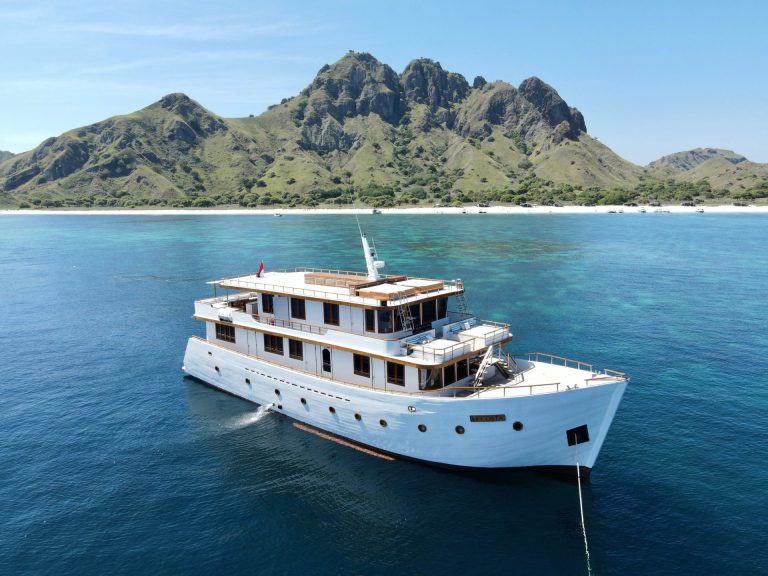
Luxury Boat Investment in Bali: How Yachts Compare as an Asset Class
As an asset class, a luxury boat in Bali behaves like a depreciating operating business, not a store of value:…
Ownership & Investment
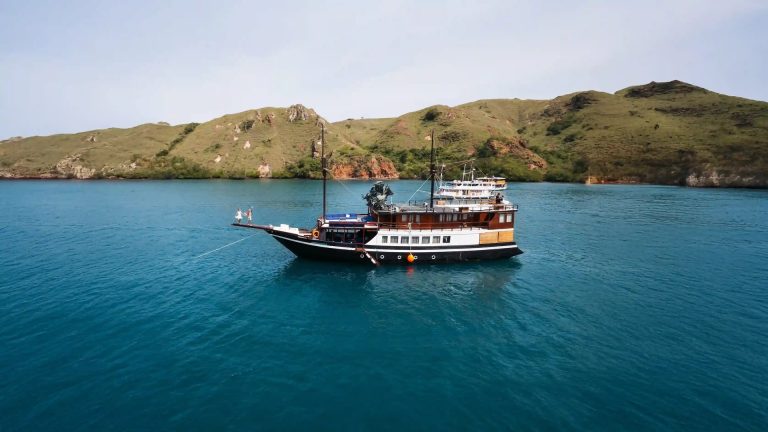
Yacht Refit Costs in Indonesia: Budgets That Protect Resale Value
Plan a yacht refit in Indonesia around three tiers. A cosmetic refresh of a fibreglass yacht runs US$15,000 to US$40,000…

Ownership & Investment
Komodo Charter Seasonality & Utilization: Planning Realistic Owner Income
The Komodo charter season runs roughly April through November. An owner modeling income from a charter phinisi should not plan…