Luxury Boat Investment in Bali: How Yachts Compare as an Asset Class
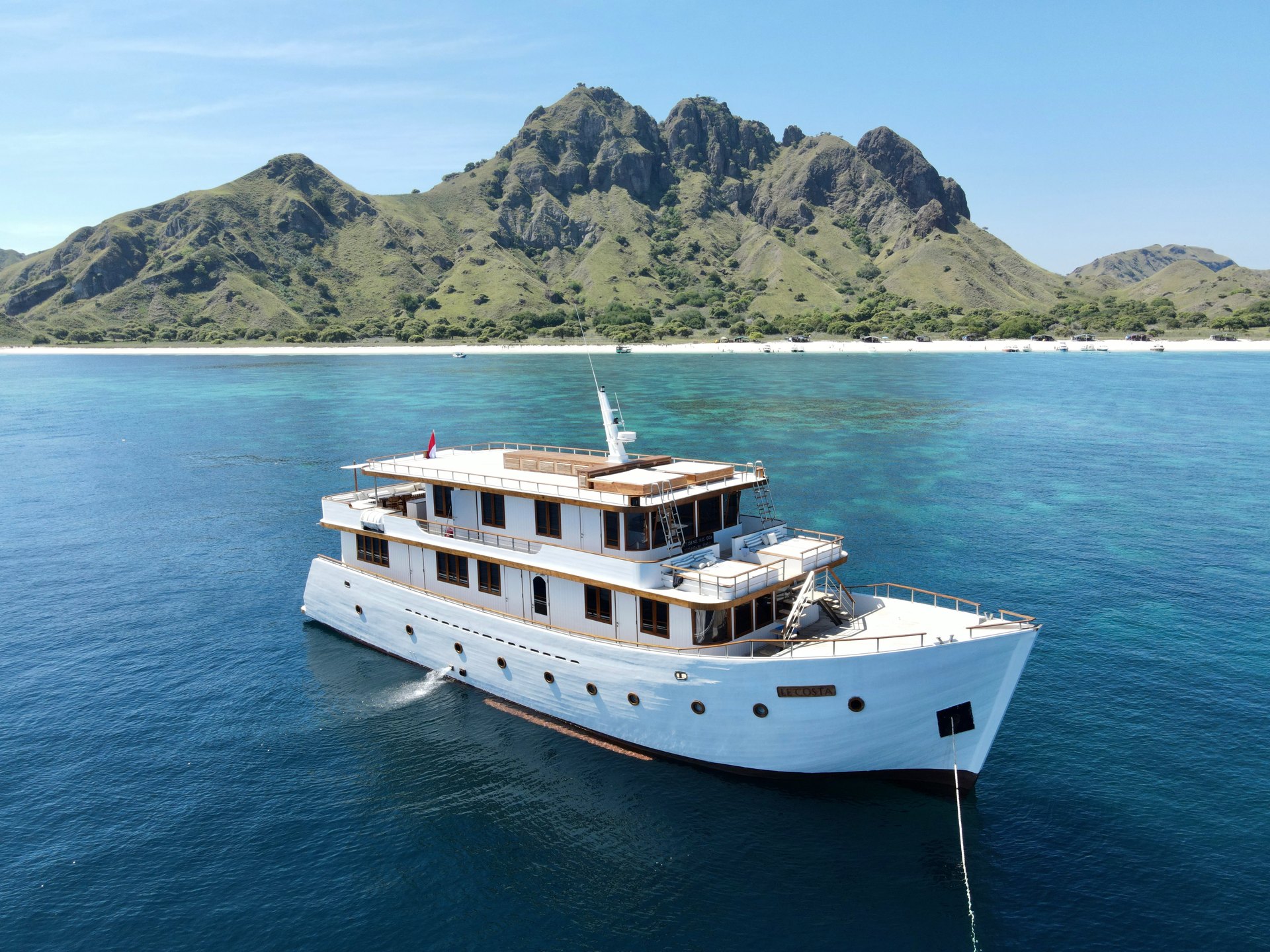
As an asset class, a luxury boat in Bali behaves like a depreciating operating business, not a store of value: expect 5–8% annual depreciation, 8–12% running costs, and 6–12% net charter yield when professionally managed. It rewards operators and disciplined buyers of income vessels — not passive holders hoping for appreciation.
High-net-worth buyers in Bali usually arrive at yachts after villas, and the instinct is to apply property logic: buy well, hold, watch the value climb. Boats do not work that way. This analysis puts yachts side by side with the other lifestyle assets Bali money actually buys — villas, art, cars — using the numbers we see across brokered transactions, so you can decide where a vessel genuinely fits in a portfolio.
The Core Numbers: Depreciation vs Yield
Strip away the romance and a yacht’s financial profile has three moving parts.
Depreciation. Production yachts in the Indonesian market lose roughly 5–8% of value per year in their first decade, steepest in years one to three. Well-maintained charter-proven vessels flatten the curve; neglected ones fall off it entirely. A ten-year-old boat with immaculate records can out-price a seven-year-old boat with gaps.
Running costs. Crew, berthing, maintenance, insurance and administration absorb 8–12% of vessel value annually whether the boat moves or not. This is the number that separates yachts from every passive asset class.
Charter yield. A managed vessel with healthy utilisation returns 6–12% net on current market value. The spread between a boat that charters 20 weeks and one that charters 6 is the difference between an asset and a liability.
Yachts vs Villas vs Art: An Honest Comparison
- Bali villa: capital appreciation plus 4–8% rental yield, low volatility, high transaction friction, land-title complexity for foreigners. The default Bali asset for good reason.
- Luxury yacht: negative capital curve, higher potential cash yield (6–12%), full mobility of the asset, and a lifestyle dividend no villa matches — you cannot sail a villa to Komodo. Liquidity is moderate: good vessels sell in three to nine months.
- Art and collectibles: possible appreciation, zero yield, minimal carry cost, opaque pricing, thin local market.
- Exotic cars: steep depreciation, no yield in Bali’s regulatory environment, low carry cost.
The portfolio conclusion: a yacht earns its place as the operating asset in a lifestyle allocation — the one that produces cash flow and experiences — while property does the appreciating. Treating the boat as both is how investors disappoint themselves. A fuller treatment of how vessel classes fit alongside other holdings appears in our note on yachts in an investor’s diversification strategy.
What Protects Value: Structure and Stewardship
Three structural choices decide whether a luxury boat holds the top or bottom of its band at resale.
1. Ownership structure. Clean title in the right entity — personal, PT, or PT PMA with Indonesian flag for commercial charter — with import status definitively settled. Ambiguous customs position is the single biggest value destroyer we see at survey and closing.
2. Documented stewardship. Engine-hour logs, yard invoices, class or condition survey history. Buyers pay for evidence, not assurances.
3. Income record. A vessel with verifiable charter earnings sells as a going concern at a premium to its bare-boat equivalent. Building that record takes two to three seasons of professional management.
Structuring all three from the day of purchase is the core of what our marine investment advisory desk in Bali does for owners, and for vessels operating the eastern routes the Komodo charter fleet investment programme formalises the income side.
Entry Points by Capital Band
Indicative 2026 entry bands for income-capable vessels in the Bali–Indonesia market, in USD:
- USD 300,000–600,000: proven pre-owned catamarans and mid-size motor yachts; the liquid heart of the market.
- USD 600,000–1,500,000: late-model cats, larger motor yachts, established phinisi with charter history.
- USD 1,500,000–5,000,000+: premium phinisi operations and superyacht-tier vessels; transactions resemble business acquisitions with goodwill, crew and forward bookings in the deal.
Current availability in each band moves weekly; the curated listings desk for Bali and Indonesia reflects what is genuinely on the market rather than portal archives.
The Exit Discipline
Because the capital curve slopes down, the exit plan matters more for a yacht than for any appreciating asset. The owners who exit well decide their holding period at purchase, keep documentation sale-ready from day one, refit shortly before selling rather than shortly after buying, and list while the vessel still has an active charter record. A boat sold as a running business with next season’s bookings attached routinely out-prices an identical hull sold bare — the market pays for momentum.
Frequently Asked Questions
Do any yachts appreciate in value?
A narrow set: exceptional custom builds, vessels with rare pedigree, and boats bought well below market during distressed sales. Traditional phinisi with established charter brands can also appreciate as businesses even while the hull depreciates. Plan on depreciation; treat appreciation as a windfall.
Is a yacht a good hedge against inflation?
Partially. Charter rates and replacement costs rise with inflation, which supports nominal values and yields, but running costs rise in parallel. It is a weaker hedge than Bali property and a stronger one than cash-consuming collectibles.
What allocation of a portfolio does a yacht sensibly occupy?
Family offices we work with typically cap marine assets at 5–10% of investable wealth, sized so that annual running costs are immaterial to the owner. If 10% of the vessel’s value per year would sting, the boat is too large for the portfolio.
How liquid is the Bali resale market?
Correctly priced, well-documented vessels in the USD 300,000–900,000 band sell in three to six months. Above USD 1.5 million, plan on six to twelve months. Documentation quality moves the timeline more than price does.
Speak to the Desk
We model yacht acquisitions as investments first — depreciation, yield, structure, exit — and as lifestyle second. WhatsApp +62 811 2859 0000 or email sales@balipremiumtrip.com — response within one business day.
Keep reading
Ownership & Investment
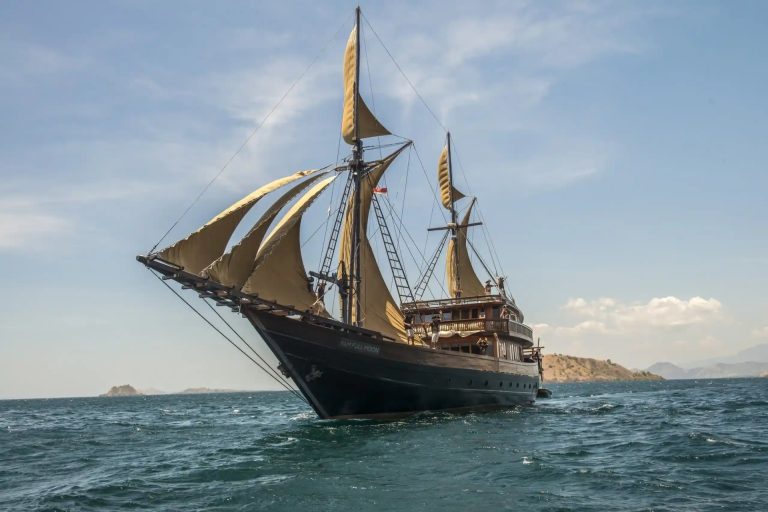
The Yacht Investor’s Asset Mix: Balancing Marine Cashflow with Onshore Bali Holdings
A balanced Indonesia position pairs two asset classes that behave in opposite ways. Yachts and phinisi generate charter cashflow from…
Ownership & Investment
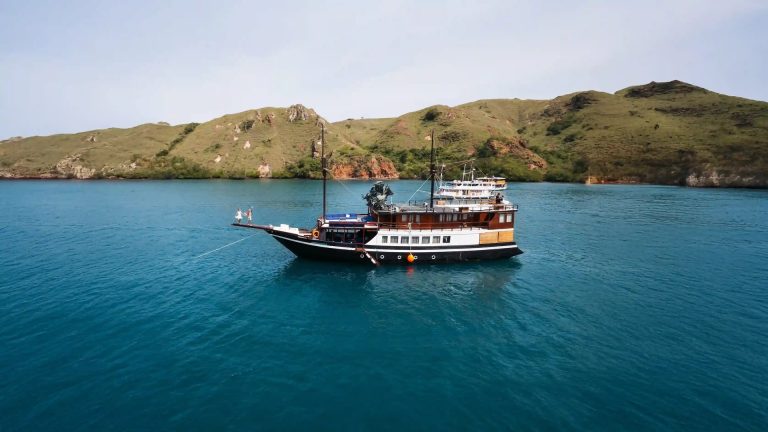
Yacht Refit Costs in Indonesia: Budgets That Protect Resale Value
Plan a yacht refit in Indonesia around three tiers. A cosmetic refresh of a fibreglass yacht runs US$15,000 to US$40,000…

Ownership & Investment
Komodo Charter Seasonality & Utilization: Planning Realistic Owner Income
The Komodo charter season runs roughly April through November. An owner modeling income from a charter phinisi should not plan…