
Charter Management for Yacht Owners: Contracts, Revenue Splits & What to Demand
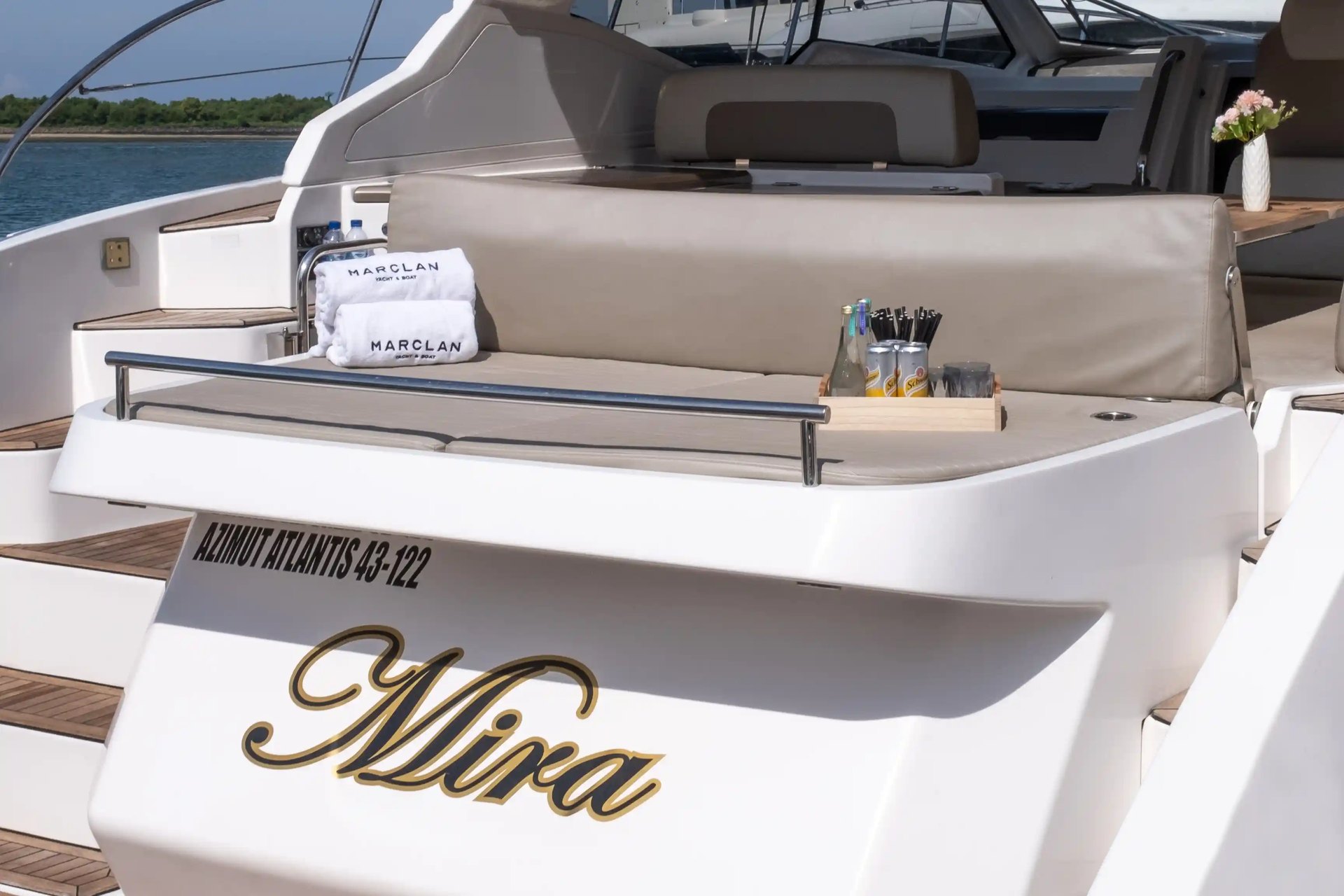
A charter-management agreement places your yacht with an operator who markets, crews, maintains and sells charters on it in exchange for a share of the revenue. In Bali, Komodo and the wider Indonesian market, agreements take one of three shapes: a performance split where the owner keeps 60 to 80 percent of net charter income, a guaranteed-income program with a fixed return regardless of bookings, or a hybrid combining a modest guarantee with upside. The right fit depends on how much you will use the boat, who carries operating costs, and how much control you want to keep.
The percentage matters less than what it is calculated on: a 70/30 split of gross revenue and a 70/30 split of revenue after costs are different deals. Before signing, an owner should answer four questions from the contract alone: what counts as revenue, which costs are deducted first, who approves maintenance spending, and how often reports reach you.
What the Agreement Should Cover
A serious agreement covers management scope (crewing, maintenance, compliance, marketing, booking), term and termination rights, owner-use allocation, insurance and financial mechanics, plus Indonesia-specific items: vessel flagging, harbourmaster clearances, national-park permits, and crew employment. Owner-use clauses need care: the Komodo season peaks May through September, Raja Ampat October through April, and “four weeks of owner use” that quietly excludes peak season has taken back most of what it appeared to give. Negotiate some peak-window access with a clear notice clause.
Revenue Splits: the Three Models
Across the phinisi and motor-yacht fleets operating out of Bali and Labuan Bajo, the structures below are the recurring patterns; treat the figures as market ranges rather than quotes.
Owners who base boats outside Bali, or who run more than one vessel, usually consolidate the operating side under yacht charter management in Indonesia through the group’s national desk rather than juggling island-by-island arrangements.
| Model | Typical owner share | Best suited to | Main risk |
|---|---|---|---|
| Performance split | 60–80% of net charter income | Owners accepting seasonality for upside | Weak marketing leaves the calendar empty |
| Guaranteed income | Fixed annual payment, often a percentage of vessel value | Owners wanting predictable cash flow | Lower ceiling; operator controls usage intensively |
| Hybrid | Smaller guarantee plus a share above a booking threshold | Owners balancing security and upside | Complexity; thresholds must be audited |
Two deductions sit upstream of every split: agent commissions, typically 10 to 20 percent, and direct trip costs such as fuel, park fees and crew bonuses, netted against each charter. Both are normal; what is not acceptable is leaving them undefined, or an in-house “marketing fee” charged on top of the management share. Insist on a clause listing every permitted deduction, stating anything unlisted is borne by the operator, and capping aggregate deductions as a share of gross revenue. Ask to see twelve months of anonymised comparable-vessel statements.
Marketing Obligations: Demand Commitments, Not Adjectives
The split only matters if the calendar fills. Weak agreements promise “best efforts”; strong ones specify deliverables: photography and video within a set period after handover, listings on named platforms and broker networks, published seasonal rate cards, and rate parity so the operator does not undercut its own listing. Ask how many channels the operator feeds, and how demand is allocated when two fleet vessels suit the same request; without a policy, higher-commission boats absorb the bookings. Concierge desks with direct relationships to travellers convert inquiries that never reach public listing sites; routing demand this way, as explained in this comparison of concierge versus DIY charter booking, fills more of an owner’s calendar without further rate-cutting.
Maintenance, Crew and Who Pays for What
The owner typically bears capital items: insurance, annual survey, dry-docking and major refits. The operator covers routine maintenance from the operating budget: servicing, consumables and day-to-day upkeep, with wooden phinisi needing disciplined hull and rigging care. Disputes cluster in the middle band, so set an approval threshold, commonly US$1,000 to US$2,500 per item, above which the operator needs written consent, with a carve-out for documented emergencies. Crew deserve their own schedule too: who employs and pays them, who covers BPJS contributions, and what happens to continuity at contract end.
Reporting and Payment: the Clauses Owners Skip
Demand monthly statements showing each charter, gross revenue, itemised deductions and your remittance, paid on a fixed calendar such as within 14 days of month-end, plus weekly visibility of the booking calendar to check occupancy against reality. Deposit handling matters too: guest deposits of 30 to 50 percent are standard here, and the agreement should state where they sit and when they count as revenue. Finally, secure an audit right on reasonable notice.
A Short Checklist of What to Demand
- Exhaustive, capped definition of deductions before the split
- Named marketing deliverables and channels, with rate parity
- Owner-use weeks that include some peak-season access
- Maintenance approval threshold with an emergency carve-out
- Monthly itemised statements, fixed remittance dates and an audit right
- Clear termination provisions, including exit on persistent under-performance
Where to Go From Here
If you already own a vessel in Indonesian waters, or are buying one with charter income in mind, stress-test the management agreement before committing the hull. Our desk reviews contract terms, benchmarks proposed splits against the market, and arranges management placement; the scope is on our full yacht management in Bali page. Still shopping? Our guide to choosing a luxury yacht brokerage for the Komodo market covers how purchase decisions and charter economics interact. For a specific vessel or contract you have been offered, message us on WhatsApp at +62 811-2859-0000 or email sales@balipremiumtrip.com.
Owners who understand how guests actually book Labuan Bajo liveaboards negotiate better management contracts.
Related from the journal: berthing options and marina costs in Bali.
Keep reading
Ownership & Investment
Luxury Boat Investment in Bali: How Yachts Compare as an Asset Class
As an asset class, a luxury boat in Bali behaves like a depreciating operating business, not a store of value:…
Ownership & Investment
The Yacht Investor’s Asset Mix: Balancing Marine Cashflow with Onshore Bali Holdings
A balanced Indonesia position pairs two asset classes that behave in opposite ways. Yachts and phinisi generate charter cashflow from…
Ownership & Investment
Yacht Refit Costs in Indonesia: Budgets That Protect Resale Value
Plan a yacht refit in Indonesia around three tiers. A cosmetic refresh of a fibreglass yacht runs US$15,000 to US$40,000…