Is Yacht Charter Profitable in Bali? A Real ROI Breakdown

Yes, yacht charter in Bali can be profitable, but the margin lives in the details, not the headline. Bali’s charter fleet averages roughly USD 1,100 per day, with crewed weekly itineraries billing around USD 13,230 per week. Operating costs typically absorb 35–60% of gross, so a well-run vessel keeps 40 to 65 cents of every charter dollar before financing and depreciation. Payback runs 4 to 10 years, depending on vessel class and use.
That is the headline. The longer answer is that profitability here is a management outcome, not a market gift. Bali has genuine year-round demand, but also monsoon seasonality, tropical maintenance loads, and commissions that quietly take a fifth of revenue. Below is the P&L logic we walk investors through before committing to a hull.
What the headline numbers actually mean
Averages compress a wide spread. USD 1,100 per day blends shared speedboat trips at a few hundred dollars with premium catamarans commanding several thousand in high season. The USD 13,230 weekly figure sits in the crewed-charter segment: multi-day itineraries toward Nusa Penida, the Gili islands, or Komodo. Utilization decides profitability more than rate: a boat chartering 120 days a year at USD 1,100 grosses USD 132,000, while the same boat at 60 days grosses half that against nearly the same fixed costs. Every serious model needs an honest utilization assumption that accounts for Bali’s wet season, softest from January through March.
Where the revenue comes from
Day-charter operations out of Benoa and Serangan serve the highest-volume segment: Nusa Penida and Lembongan crossings, sunset cruises, and private snorkeling days, averaging around USD 1,100 per day. The weekly segment carries the larger economics; a vessel billing USD 13,230 per week needs only 20–25 chartered weeks to gross more than most day boats manage in a year, and the strongest demand sits on the Komodo routes from Labuan Bajo. We cover that market in our guide to charter fleet investment in Komodo, often the stronger entry point than a Bali day boat.
Where 35–60% of revenue goes
The cost band is wide: a lean-crewed sailing catamaran sits near the bottom, a fuel-hungry motor yacht with heavy agency reliance sits near the top. The recurring lines:
- Crew salaries: captain, engineer, deckhands, plus a cook on weekly charters; usually the largest line.
- Fuel: route-dependent; Penida crossings burn far less than long repositioning legs.
- Maintenance and haul-out: tropical water accelerates antifouling and corrosion; deferring this is how boats die.
- Insurance: hull, machinery, and passenger liability, priced on vessel value.
- Berthing: marina berths in south Bali cost more than mooring arrangements.
- Commissions: agents and platforms commonly take 15–25%; direct bookings are the biggest controllable lever.
- Licensing and permits: flagging, crew certification, port clearances, plus Komodo park fees.
A worked P&L: three vessel classes
The table below is an illustrative annual model, not a quote or a guarantee, using mid-range utilization, costs inside the 35–60% research band, and acquisition prices from current market ranges (cross-referenced against the independent 2027 Bali luxury boat cost guide). Figures are before loan interest, depreciation, and tax.
| Vessel class | Acquisition (USD) | Gross revenue / year | Operating costs | Net before financing | Indicative payback |
|---|---|---|---|---|---|
| Day-charter powerboat or small power cat | 300,000–450,000 | ~132,000 (120 days x 1,100) | ~45% / 59,400 | ~72,600 | 4–6 years |
| Sailing catamaran, day + overnight mix | 650,000–900,000 | ~200,000 (blended day/overnight rates) | ~50% / 100,000 | ~100,000 | 6–8 years |
| Crewed phinisi / liveaboard, Komodo routes | 1,000,000–1,300,000 | ~291,000 (22 weeks x 13,230) | ~57% / 165,900 | ~125,100 | 7–10 years |
Read it as a sensitivity exercise. Drop the day boat to 90 charter days and payback stretches past seven years. Push the phinisi to 26 weeks with stronger direct bookings, and it compresses toward the day boat’s timeline. The model is unforgiving about utilization and commissions, forgiving about almost nothing else.
What separates the boats that make money
Profitable operators share habits: they protect utilization with multi-channel marketing instead of one agent, defend margin by growing direct bookings (a 20% commission on USD 132,000 of revenue is USD 26,400), and spend on preventive maintenance in the wet season so a boat never misses a peak-season week to an engine failure. Many also run professional management, or buy it in, through structured yacht management services in Bali rather than improvising with a captain and a spreadsheet.
Honest modeling also prices the downside: wet-season softness that runs longer than planned, crew turnover mid-season, and regulatory items (flagging, licensing, park permits) that take longer in Indonesia than first-time owners expect. Haul-out discoveries on second-hand hulls are the classic budget-breaker, which is why survey quality at purchase matters more than a few percent on the asking price. None of this kills the investment case, but all of it belongs in the model before a deposit is wired.
Running the numbers on your vessel
Everything above is a market-level model. A real decision needs vessel-level inputs: this hull, this route, this crew, this booking mix. As a brokerage and advisory desk within Juara Holding Group, we build that P&L with you before purchase, sourcing candidate vessels, stress-testing utilization assumptions, and arranging survey and management so the boat earns from its first season. Send us your budget and we will model a Bali day boat against a Komodo liveaboard. Reach the desk on WhatsApp at +62 811-2859-0000 or by email at sales@balipremiumtrip.com.
For destination rate context beyond Bali, see the Raja Ampat charter rate benchmarks — the ceiling of the Indonesian rate pyramid that expedition tonnage is priced against.
Related from the journal: yachts inside a diversified portfolio.
Keep reading
Ownership & Investment
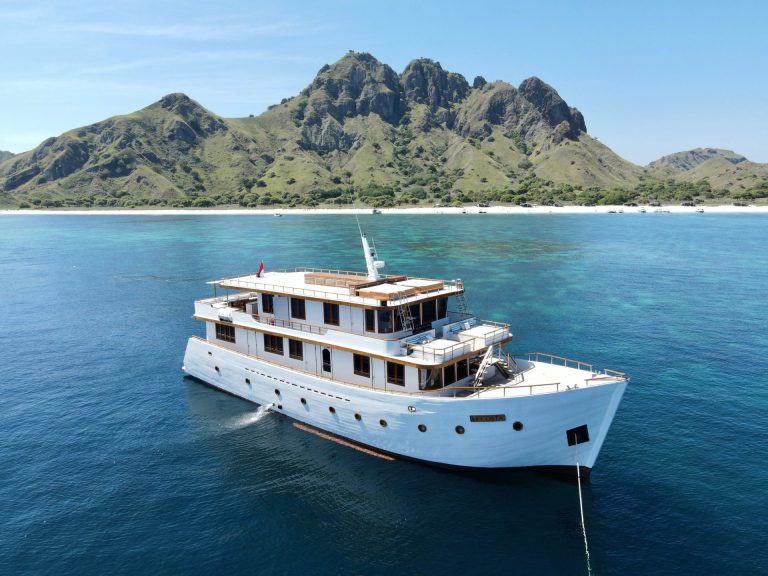
Luxury Boat Investment in Bali: How Yachts Compare as an Asset Class
As an asset class, a luxury boat in Bali behaves like a depreciating operating business, not a store of value:…
Ownership & Investment
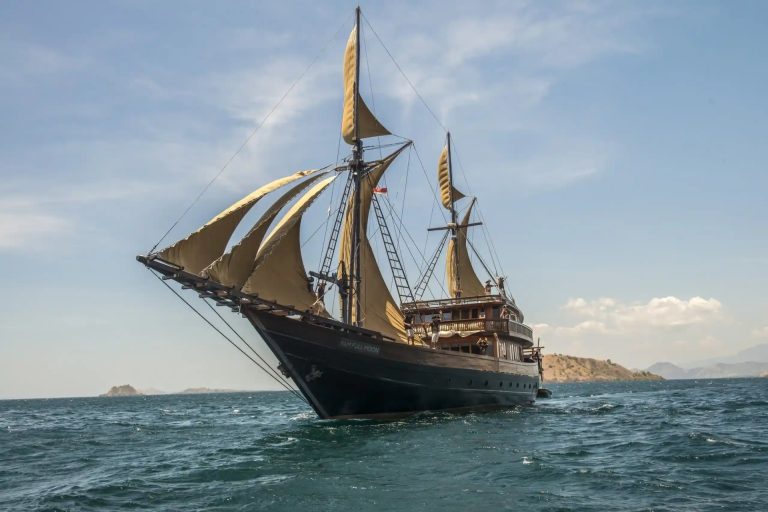
The Yacht Investor’s Asset Mix: Balancing Marine Cashflow with Onshore Bali Holdings
A balanced Indonesia position pairs two asset classes that behave in opposite ways. Yachts and phinisi generate charter cashflow from…
Ownership & Investment
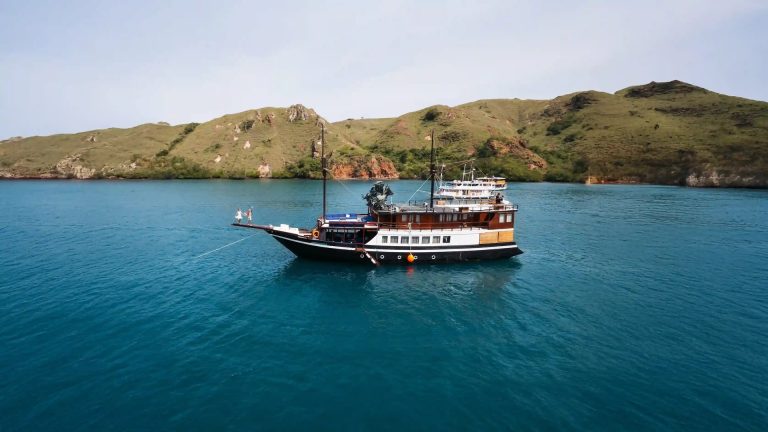
Yacht Refit Costs in Indonesia: Budgets That Protect Resale Value
Plan a yacht refit in Indonesia around three tiers. A cosmetic refresh of a fibreglass yacht runs US$15,000 to US$40,000…