
Yacht Refit Costs in Indonesia: Budgets That Protect Resale Value
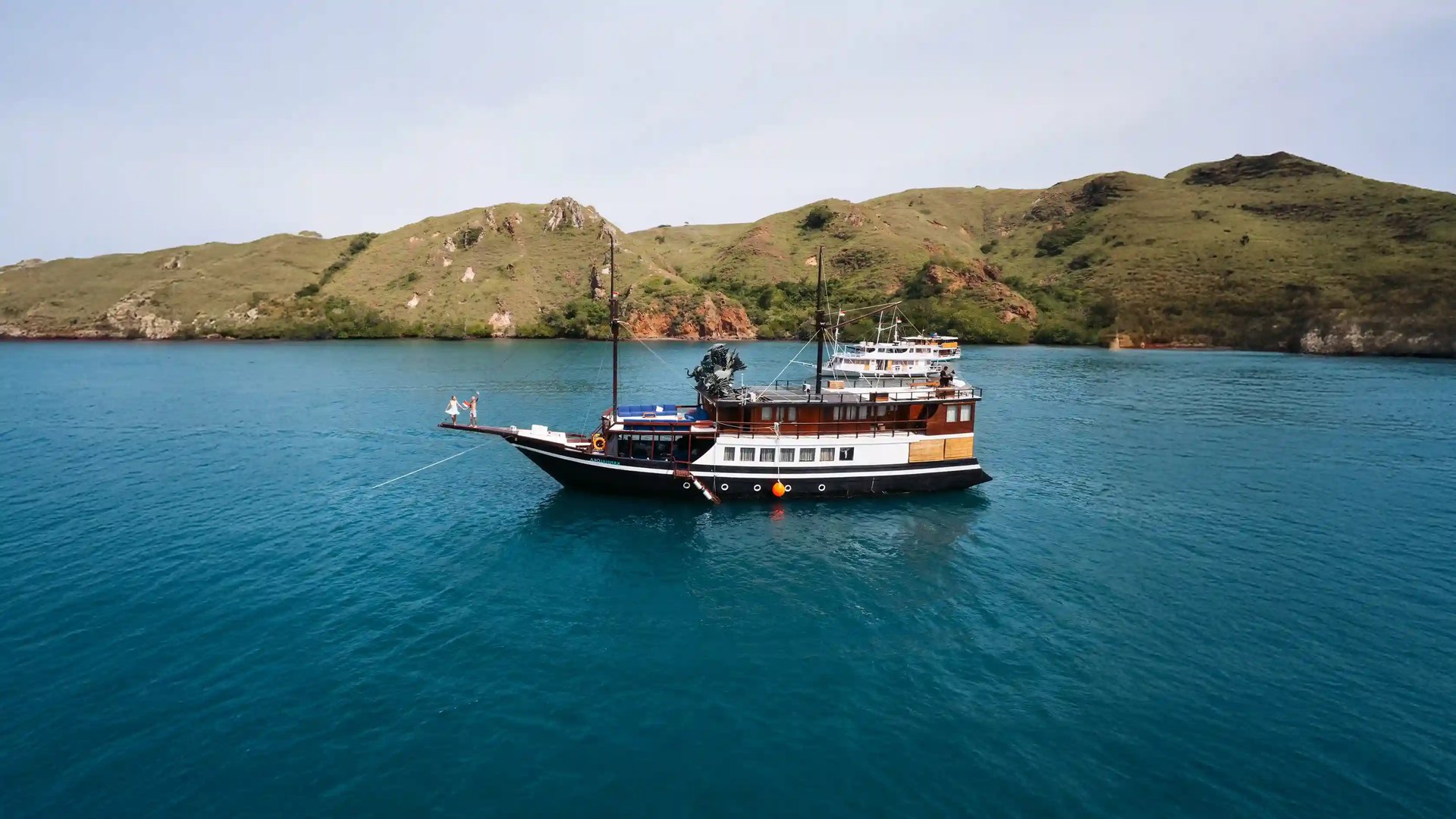
Plan a yacht refit in Indonesia around three tiers. A cosmetic refresh of a fibreglass yacht runs US$15,000 to US$40,000 for a 15 to 24 metre boat. A mid-scope refit with an engine overhaul, electronics and partial interior work runs US$60,000 to US$150,000. A structural refit of a large wooden phinisi starts near US$150,000 and can pass US$500,000 on a 40-metre vessel. Treat these as planning ranges: scope and survey findings move the number more than any rate card.
Indonesian yards charge a fraction of Mediterranean or Singaporean rates, which is why owners refit here, provided parts are budgeted for delivery time and the work stays supervised.
Where the Money Goes in an Indonesian Yard
Labour is the structural advantage: a skilled carpenter in South Sulawesi, Surabaya or Labuan Bajo costs a fraction of a European or Singaporean rate, and hull carpentry on a phinisi shows that gap most. Materials cut the other way, so a parts-heavy refit narrows the saving. Figures below reflect quotes for vessels in the 20 to 40 metre bracket; smaller boats scale down.
| Work item | Typical range (USD) | Typical cycle |
|---|---|---|
| Haul-out or beaching, antifoul, anodes | $4,000–15,000 | Every 12–24 months |
| Seam re-caulking, partial (phinisi) | $8,000–30,000 | Every 2–4 years |
| Hull plank or frame replacement, per section | $10,000–60,000 | As survey dictates |
| Standing rigging and sail service (phinisi) | $5,000–25,000 | Every 3–5 years |
| Main engine and generator overhaul | $10,000–60,000 | Per manufacturer hours |
| Topsides and superstructure repaint | $15,000–60,000 | Every 5–7 years |
| Interior refit, joinery and soft furnishings | $20,000–150,000 | Every 7–10 years |
| Electronics and navigation refresh | $8,000–40,000 | Every 7–10 years |
South Sulawesi, around Bira and Tana Beru, is the heartland of phinisi construction. For vessels around Komodo and Flores, we arrange slipway time and repair crews through the Komodo Luxury boat repair team.
Wooden Phinisi: Upkeep Is a Cycle, Not an Event
An ironwood hull lives or dies by its maintenance rhythm. Owners running phinisi commercially budget 5 to 10 percent of vessel value per year for upkeep, roughly double a fibreglass boat’s figure, and the boats that hold their price are the ones kept on schedule.
The annual cycle
Once every 12 to 24 months the boat comes out of the water. The yard renews antifouling, replaces anodes, inspects every seam and re-caulks worked-loose seams, alongside routine engine service. A disciplined annual cycle on a 30 to 40 metre phinisi costs US$10,000 to US$30,000; skip one and the bill compounds, because water finds the seams left open.
The structural refit, every five to seven years
Planking comes off in sections here, softened frames and planks get replaced, and the hull is re-caulked end to end, often with deck and interior work together. Budgets run from US$100,000 for routine work to US$500,000 where surveyors find widespread softness. Bali workshops build marine-grade teak joinery that undercuts imports; the group’s yacht and marine furniture line supplies exactly this kind of refit.
Production Boats: Smaller Cycles, Different Traps
A fibreglass yacht skips the carpentry cycle, and 2 to 4 percent of vessel value per year covers upkeep. UV chews through gelcoat and varnish fast, teak decks age out, and engine hours pile up on charter boats, making the overhaul, at US$10,000 to US$60,000, the biggest line item. At resale, buyers benchmark against hulls worldwide; Indonesian-yard work holds up fine if the paperwork proves it.
What a Refit Adds at Resale
Buyers pay for evidence, not paint. A surveyor who finds deferred maintenance marks the boat down by more than the repairs would have cost, because the buyer prices risk, not labour. Haul-out reports, itemised invoices and photos of the hull open command a stronger price and less time listed. A phinisi buyer’s questions are simple: when was the boat last out, and how many engine hours.
Refit Before Listing: A Decision Rule
Not every boat should be refitted before sale. The rule we apply runs in three steps:
- Fix what fails survey. Seized seacocks, tired anodes, open seams and expired safety gear are trivial next to a failed survey’s price cut, and this comes first.
- Do what photographs and documents. A haul-out with fresh antifoul, serviced engines and oiled decks; often US$10,000 to US$30,000 moves the sale price.
- Skip taste-based upgrades. New fabrics and styling rarely pay back, since buyers plan their own.
The exception is the structurally tired vessel: if a rebuild would consume a third of the asking price, list it honestly as a project instead of risking a half-refit a surveyor will see through. We cover that on our selling a yacht in Indonesia page.
Budget Rules That Protect the Refit
- Carry contingency. Hold 15 to 20 percent above quote on fibreglass, 25 percent on wood.
- Stage payments. Tie yard payments to inspected milestones, not the calendar.
- Agree scope in writing. A one-page work list prevents most disputes.
- Archive as you go. Photograph the hull open, keep every invoice.
- Supervise weekly. A supervisor who knows the yard earns their fee many times over.
Getting a Real Number for Your Boat
Ranges get you to a planning budget; only a survey and a yard quote get you to a real one. Our desk arranges both: condition surveys, competing quotes and on-site supervision. Start with our yacht refit and repair brokerage service, or send the boat’s basics on WhatsApp at +62 811-2859-0000 or by email at sales@balipremiumtrip.com.
Related from the journal: phinisi versus catamaran investment economics.
Keep reading
Ownership & Investment
Luxury Boat Investment in Bali: How Yachts Compare as an Asset Class
As an asset class, a luxury boat in Bali behaves like a depreciating operating business, not a store of value:…

Ownership & Investment
The Yacht Investor’s Asset Mix: Balancing Marine Cashflow with Onshore Bali Holdings
A balanced Indonesia position pairs two asset classes that behave in opposite ways. Yachts and phinisi generate charter cashflow from…

Ownership & Investment
Komodo Charter Seasonality & Utilization: Planning Realistic Owner Income
The Komodo charter season runs roughly April through November. An owner modeling income from a charter phinisi should not plan…