Phinisi vs Catamaran as a Charter Investment: Which Asset Earns More?
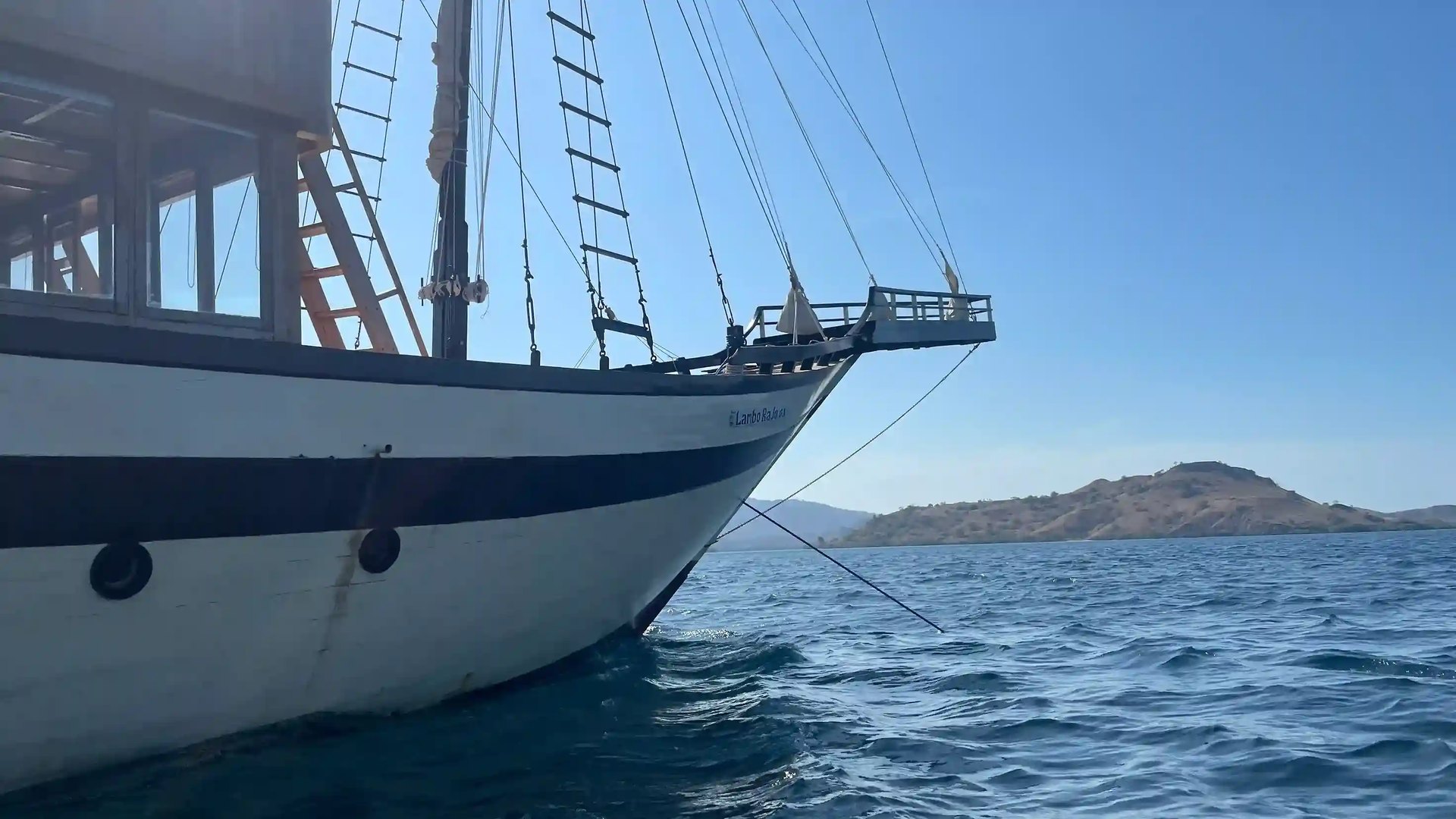
A well-run phinisi in the Komodo expedition trade almost always out-earns a catamaran on gross revenue: luxury phinisi command roughly USD 4,000 to 25,000 a night against USD 1,500 to 6,000 for a crewed catamaran. The catamaran usually delivers the steadier net yield, with a smaller crew, a lighter maintenance bill, and a faster exit. The phinisi wins on revenue; the catamaran wins on risk-adjusted return per dollar of headache.
These are not the same asset class. A charter phinisi is a floating boutique hotel: a wooden hull, a large Indonesian crew, and a valuation built on story, condition, and forward bookings. A production catamaran is a globally traded, surveyable, comparable-priced machine. The choice comes down to gross yield versus simplicity and liquidity.
What each asset actually is
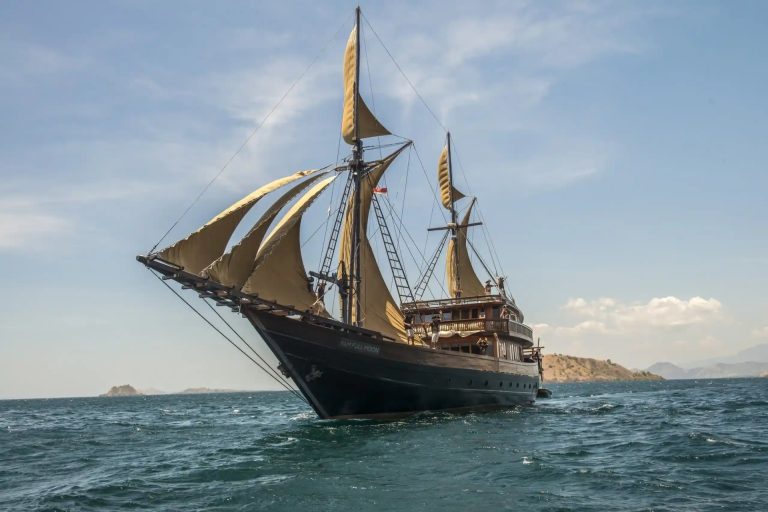
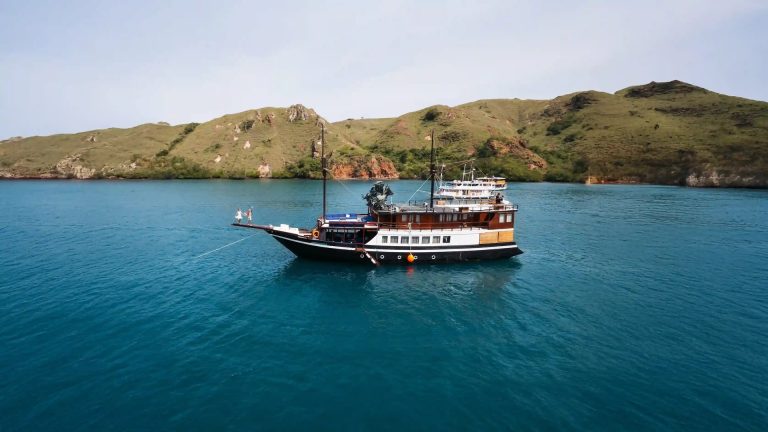
A phinisi is a traditional two-masted Indonesian sailing vessel, hand-built in South Sulawesi, notably in Ara and Tana Beru near Bulukumba, craft UNESCO recognised as heritage in 2017. Modern charter phinisi are dive and expedition yachts: ironwood and teak hulls, generators, watermakers, air-conditioned cabins. In Komodo and Raja Ampat, the hull shape itself is the marketing.
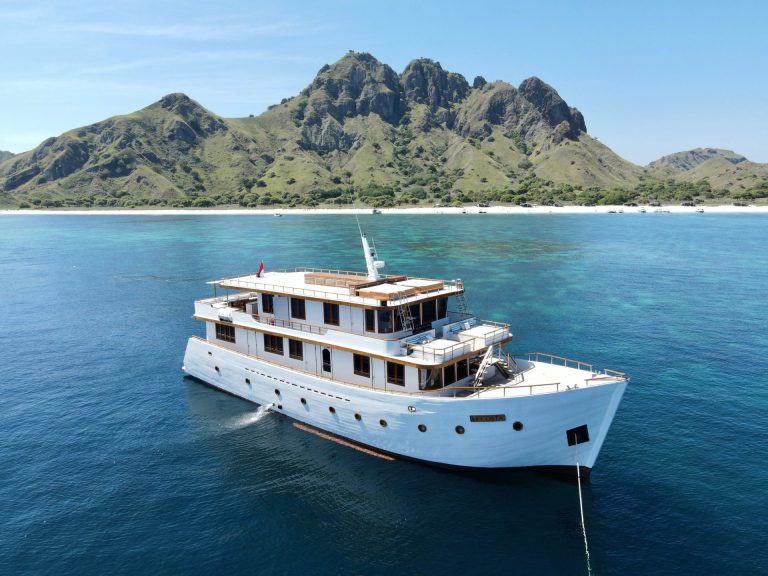
A catamaran, for Bali investors, usually means a production fiberglass cat from a major yard (Lagoon, Fountaine Pajot, Leopard, Bali Catamarans) in the 40 to 60 foot range: standardized, class-surveyable, insurable on familiar terms, and backed by a global parts and brokerage network. That standardization makes it the more boring, and safer, asset.
Build and purchase cost
New phinisi are commissioned directly at Sulawesi yards. As working guidance, a mid-market 25 to 35 metre charter phinisi lands between USD 500,000 and 1.5 million turnkey; superyacht-grade builds run into several million. Build timelines of 18 to 36 months, with common overruns, are why owners keep a supervisor at the yard. Buying an existing vessel sidesteps that risk; current phinisi for sale in Indonesia range from under USD 500,000 to above USD 3 million.
Catamarans price more transparently: a new charter-capable 42 to 52 footer runs USD 600,000 to 1.5 million, and the used market is deep enough to benchmark any asking price. Indonesia’s complication is landed cost: import taxes, flagging, and charter licensing shift often, so model vessel price and landed cost as two separate lines. Our the catamaran desk spends much of its time on this gap.
Revenue: nightly rates and utilization
Gross revenue is where the phinisi makes its case:
| Metric | Charter phinisi (Komodo/Raja Ampat) | Crewed catamaran (Bali/Nusa/Komodo) |
|---|---|---|
| Nightly rate, mid-market | USD 3,000-8,000 | USD 1,500-4,000 |
| Nightly rate, luxury tier | USD 10,000-25,000+ | USD 4,000-6,000 |
| Typical booking | 3-7 night expedition | Day charter or 1-3 nights |
| Guest capacity | 8-20 in cabins | 6-12 overnight, more for day trips |
| Core season | April-November (Komodo), some fleets reposition to Raja Ampat Dec-March | Year-round day-charter demand from Bali |
A phinisi sells fewer, longer, higher-ticket trips and carries Komodo’s seasonality; strong operators offset the rainy months by repositioning east or leaning on domestic demand. A Bali-based catamaran runs day charters year-round on top of overnight trips, earning through frequency rather than ticket size. A well-marketed luxury phinisi at healthy occupancy can produce two to four times a catamaran’s revenue, before costs.
Operating costs: where the money leaks
The wooden hull is the biggest structural difference. Tropical waters demand annual haul-out, re-caulking, antifouling, and periodic plank replacement by shipwrights who often travel from Sulawesi with the timber. Realistic annual maintenance runs 5 to 10 percent of vessel value, and a skipped dry-dock year is repaid with interest.
Crew economics compound it. A phinisi is a hospitality operation, captain to dive guide, with crews of 8 to 15 normal on luxury vessels, paid whether booked or not. A crewed catamaran runs comfortably on 3 to 5. Over a year, the crew line alone can erase much of the phinisi’s revenue advantage.
Catamaran maintenance (engine, rigging, gelcoat, antifoul) is predictable and globally parts-supported. Budget 3 to 5 percent of vessel value annually; the number rarely produces the six-figure surprise that a deferred replanking can.
Exit liquidity and depreciation
A production catamaran trades on an international brokerage market with visible comparables; a fairly priced boat in sound condition typically sells within months. A phinisi trades in a thin, Indonesia-centred market where valuation is bespoke: hull condition, refit history, licensing, brand, and above all the forward booking book, with sale timelines often a year or more. The upside: a phinisi with a strong charter history sells as an operating business, not a boat.
So which earns more?
Think in three profiles. For maximum gross yield, brand equity, and a differentiated product in the world’s strongest expedition-charter market: the phinisi, if you accept heavy operations, a large crew, and a slow exit. For a lower entry point, leaner running costs, year-round Bali utilization, and liquidation in months: the catamaran. Most fleet owners land on a blend of both.
Either way, the numbers only work with honest modelling: real occupancy assumptions, real maintenance reserves, and a landed-cost calculation done before you commit, not after. We arrange acquisitions, surveys, and charter placement on the buy side, independent of the vessels we cover. Start with our overview of structured charter fleet participation, then talk specifics with us on WhatsApp at +62 811-2859-0000 or by email at sales@balipremiumtrip.com. No projection we prepare will ever promise a guaranteed return: it will be built on numbers the market can support.
Related from the journal: handing the vessel to charter management.
Keep reading
Ownership & Investment
Luxury Boat Investment in Bali: How Yachts Compare as an Asset Class
As an asset class, a luxury boat in Bali behaves like a depreciating operating business, not a store of value:…
Ownership & Investment
The Yacht Investor’s Asset Mix: Balancing Marine Cashflow with Onshore Bali Holdings
A balanced Indonesia position pairs two asset classes that behave in opposite ways. Yachts and phinisi generate charter cashflow from…
Ownership & Investment
Yacht Refit Costs in Indonesia: Budgets That Protect Resale Value
Plan a yacht refit in Indonesia around three tiers. A cosmetic refresh of a fibreglass yacht runs US$15,000 to US$40,000…